Aligning In-Store Terminal Verifications with Subscription Renewals to Curb Fraud in Blended Retail Operations
Written by Xander Patterson · May 19, 2026
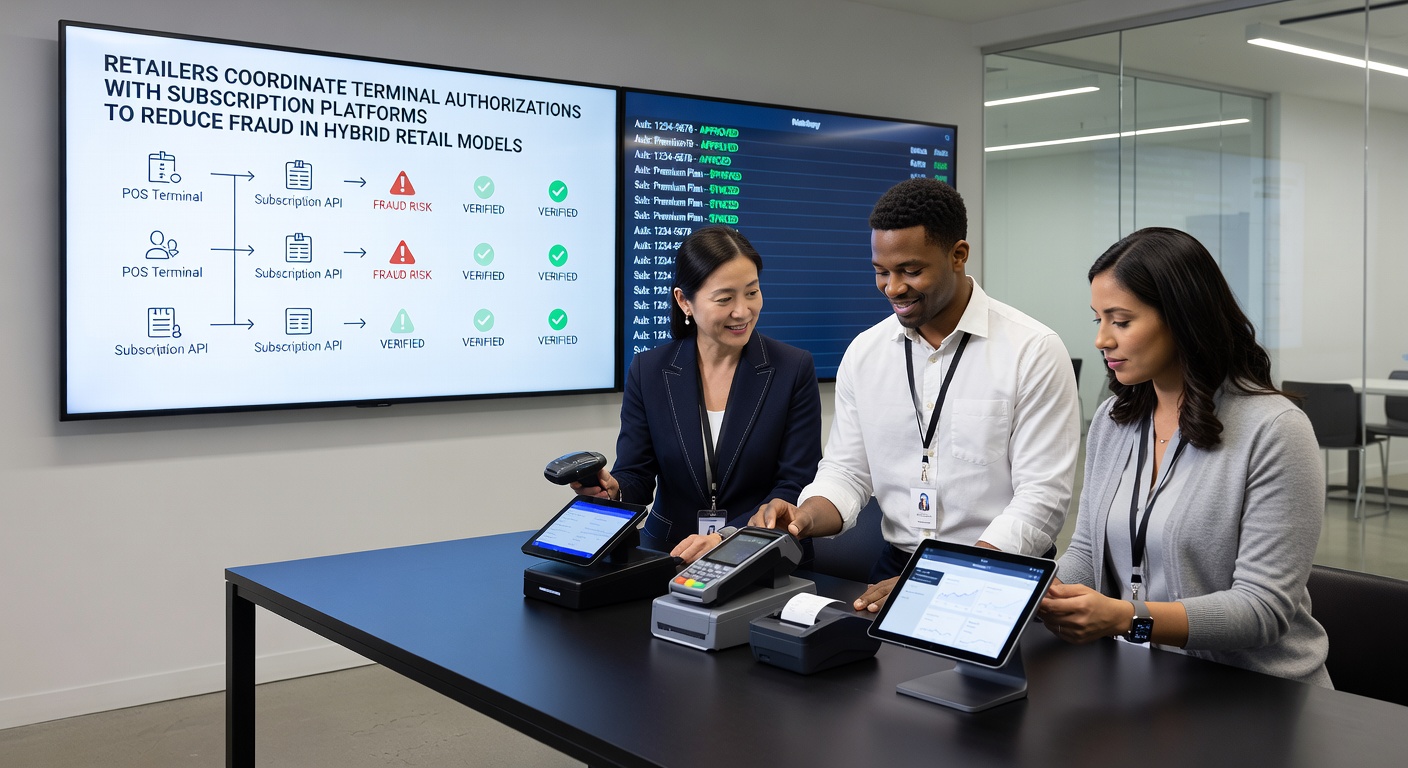
Aligning In-Store Terminal Verifications with Subscription Renewals to Curb Fraud in Blended Retail Operations
Retailers operating across physical stores and digital subscription channels have stepped up efforts to link terminal-based card authorizations directly with recurring billing systems, and this coordination has produced measurable drops in fraudulent activity according to multiple industry reports. Stores that once processed in-person payments independently now share real-time authorization data with platforms handling monthly or annual renewals, creating a unified view that flags inconsistencies before they escalate into chargebacks or lost revenue.
Current Practices in Data Sharing Between Terminals and Platforms
Point-of-sale terminals capture transaction details at the moment of purchase while subscription platforms maintain ongoing customer profiles, and when these two systems exchange authorization codes plus device fingerprints, patterns of misuse become visible faster than isolated checks allow. Retail chains in the United States and Canada began piloting such linkages in early 2025, with full rollouts accelerating through spring of the following year. By May 2026, several large operators reported that synchronized verification reduced unauthorized renewal attempts by double-digit percentages compared with prior disconnected setups.
Merchants achieve this linkage through secure data pipelines that transmit only the minimum necessary identifiers, such as hashed card tokens and location stamps, while complying with regional privacy rules. European retailers, for instance, align these exchanges with guidelines from the European Data Protection Board to avoid over-collection, whereas Australian operators reference standards set by the Office of the Australian Information Commissioner for similar safeguards. The result is a closed loop where an in-store authorization can instantly influence whether a later online renewal receives approval or triggers additional verification steps.
Case Examples from Retail Networks
One national grocery chain integrated its terminal network with its loyalty subscription service so that any card used for a fraudulent in-store return would be flagged when the same token attempted a renewal the following month. Observers note that this approach caught repeat offenders who previously exploited the gap between store-level refunds and online billing cycles. Another example involves a specialty apparel retailer whose hybrid model combines pop-up store terminals with direct-to-consumer subscription boxes, and after implementing coordinated checks the company recorded fewer instances of stolen card details being tested across both channels.
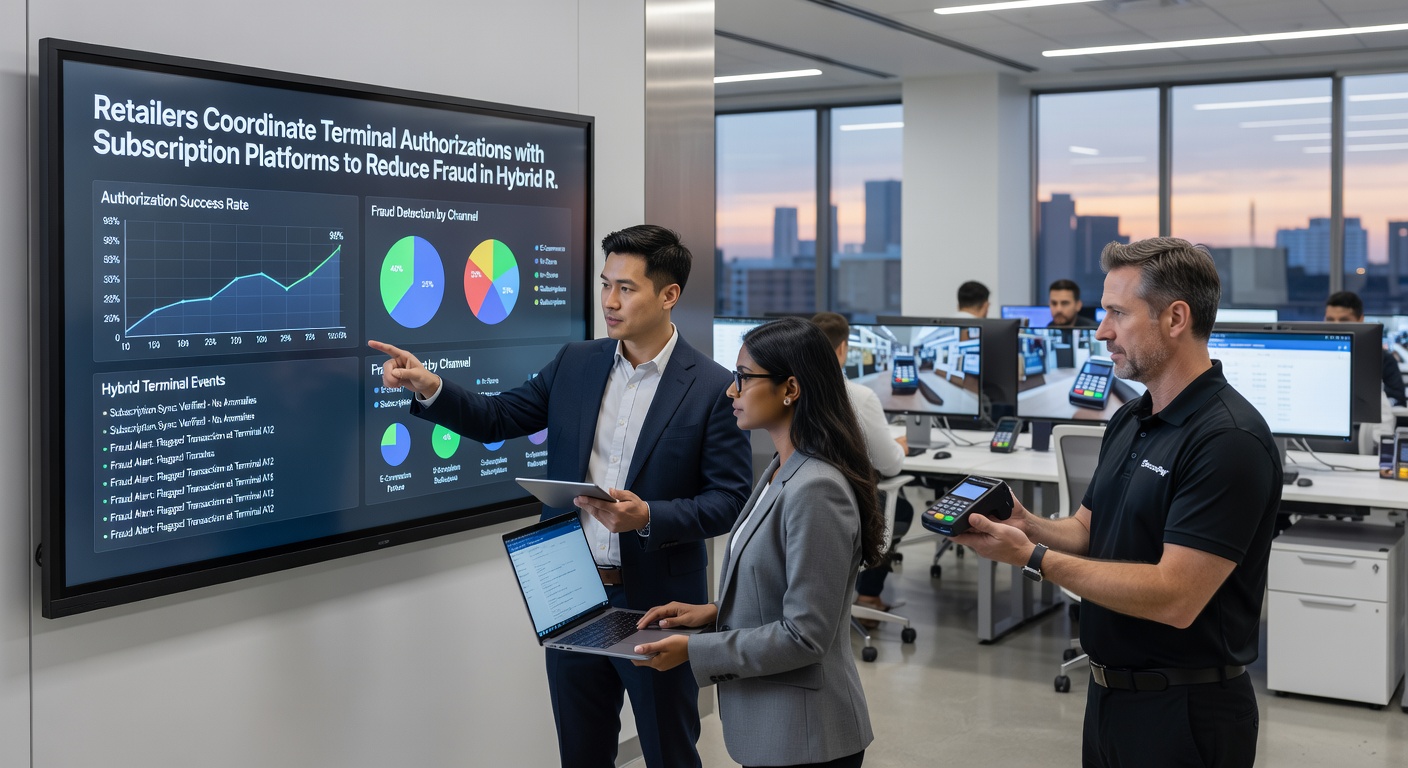
Research from the National Retail Federation indicates that hybrid operators who maintain continuous authorization handshakes between terminals and billing engines experience lower overall dispute rates. Figures reveal that stores maintaining these links process renewals with fewer manual reviews, freeing staff to focus on customer service rather than chasing down suspicious transactions after the fact.
Regulatory and Technical Context in 2026
Payment networks have updated their rules to encourage or require such coordination in high-risk hybrid environments, and merchants who adopt early often gain access to lower interchange fees when fraud metrics improve. Data from the Federal Trade Commission shows that coordinated authorization systems help surface synthetic identity attempts that would otherwise slip through single-channel monitoring. Retail technology providers continue to refine matching algorithms so that terminal-captured geolocation data can corroborate or contradict subscription login locations, adding another layer without slowing legitimate customer flows.
Those who have studied these implementations point out that success depends on clear internal policies defining which data elements travel between systems and how quickly flags are acted upon. Companies that treat the terminal and subscription platform as parts of one authorization ecosystem rather than separate silos report smoother operations and fewer customer friction points during renewal periods.
Conclusion
Retailers that coordinate terminal authorizations with subscription platforms continue to demonstrate concrete reductions in fraud across hybrid models, and ongoing refinements in data exchange practices suggest further gains ahead. By maintaining synchronized verification processes, merchants create a more resilient defense that adapts as fraud tactics evolve while preserving the convenience customers expect from both in-store and recurring digital purchases.