Charting Capital Routes: Terminal Captures Powering Subscription Renewals in Retail Networks
Written by Felix Meier · Jun 12, 2026
Charting Capital Routes: Terminal Captures Powering Subscription Renewals in Retail Networks
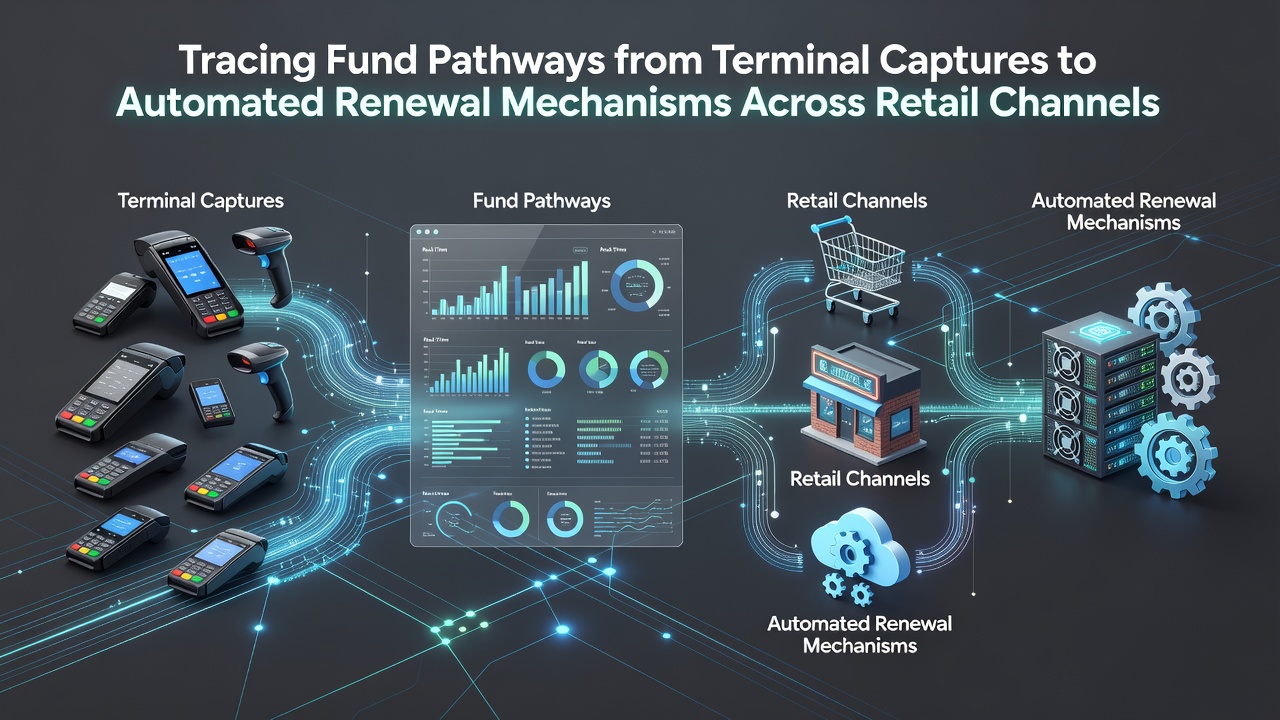
Retail payment systems move funds along defined routes that begin at physical terminals and extend into automated renewal cycles for subscriptions, and observers note these pathways rely on coordinated authorization and settlement steps that connect in-store captures directly to recurring billing engines. Data from payment processors shows terminals record initial captures through card readers or contactless interfaces, after which the information travels via acquirer networks to issuers for verification, while settlement batches finalize the transfer into merchant accounts that feed subscription management platforms.
Terminal Capture Processes in Retail Settings
Point-of-sale devices initiate the sequence by encrypting transaction details at the moment of swipe or tap, and processors route these packets through secure gateways that validate merchant credentials before any funds shift. According to reports from the Federal Reserve, daily volumes in North American retail networks exceeded 120 million terminal captures in early 2026, with each record carrying metadata that later aligns with recurring charge identifiers in backend systems. Systems log timestamps and device identifiers during capture, which allows downstream platforms to match new authorizations against existing customer profiles without manual intervention.
Authorization and Settlement Pathways
Once captured, authorization requests travel across payment rails where issuers confirm available credit or debit balances, and successful approvals generate tokens that merchant systems store for future automated renewals. Settlement follows within one to two business days when acquirers batch transactions and push net amounts into designated deposit accounts, yet the same token references persist across cycles to trigger renewals on portable devices or online portals. Research from the European Central Bank indicates that integrated retail setups in EU markets processed over 45 billion euros in such linked transactions during the first half of 2026, highlighting how settlement data feeds directly into renewal schedulers that operate on fixed intervals.
Observers point out that middleware layers often translate terminal data formats into billing system inputs, ensuring currency conversions and fee deductions occur before funds reach renewal engines. And these layers maintain audit trails that record every hop from capture point to renewal trigger, which supports compliance checks without interrupting flow.
Integration with Automated Renewal Mechanisms
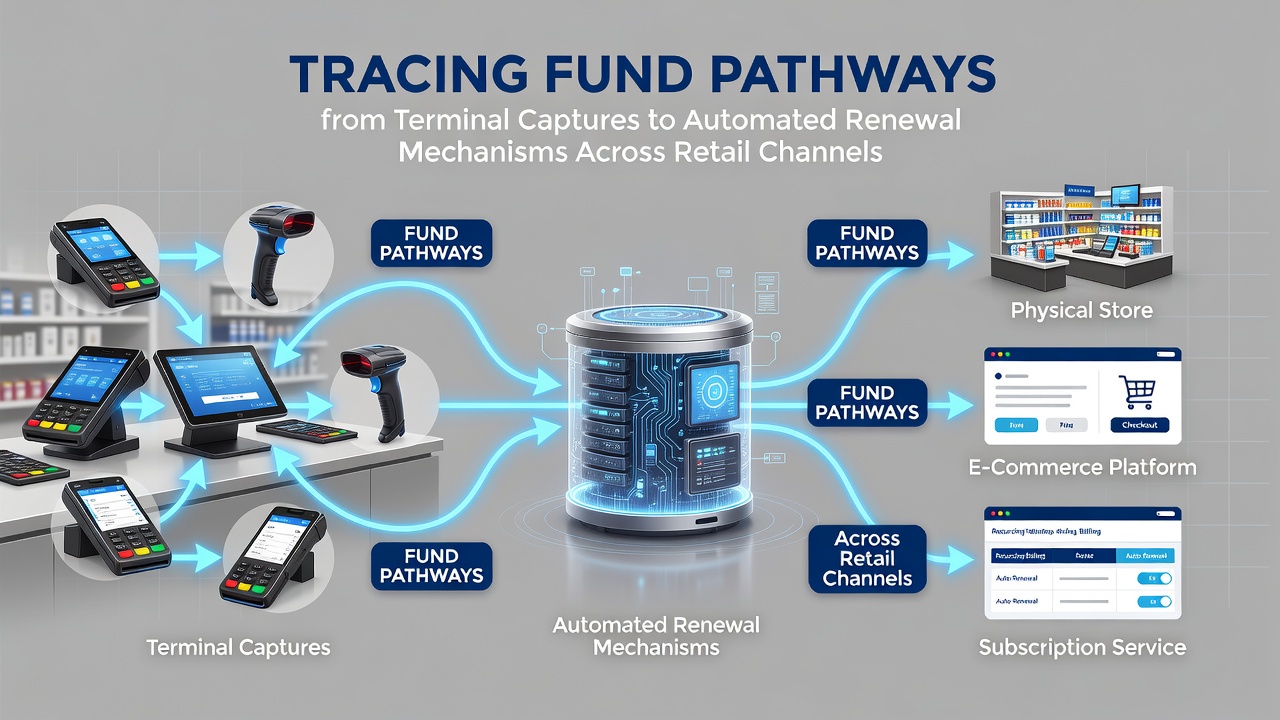
Merchant accounts serve as the junction where settled funds become available for automated deductions tied to subscription profiles, and billing platforms pull from these accounts on predefined dates using stored credentials that originated from earlier terminal interactions. Retail chains operating across physical and digital channels coordinate these steps through unified ledgers that update in real time, allowing a single capture at a store terminal to populate renewal schedules that execute weeks later on mobile applications. Studies compiled by the Reserve Bank of Australia reveal that omnichannel operators in the Asia-Pacific region linked more than 18 million terminal records to recurring profiles by June 2026, demonstrating scalable routing that preserves transaction lineage across borders.
Tokenization plays a central role here because it replaces sensitive card data with unique identifiers that travel safely between terminal processors and renewal schedulers, while revocation lists prevent unauthorized reuse when accounts change. Processors maintain these mappings in secure vaults, and renewal requests query the same vaults to confirm validity before charging.
Cross-Channel Coordination and Data Standards
Standards such as ISO 20022 facilitate consistent messaging between terminal networks and subscription platforms, which reduces mismatches when funds move from one retail environment to another. Retail operators implement these standards through application programming interfaces that translate capture details into renewal instructions, and testing environments simulate full pathways to verify timing and accuracy before live deployment. Industry reports note that adoption of unified data formats increased by 27 percent among major chains between 2024 and 2026, enabling smoother handoffs across regions with differing regulatory requirements.
Yet variations persist because some markets require additional verification layers for high-value renewals, which insert extra authorization checks that reference the original terminal capture metadata. These checks ensure continuity even when customers switch devices or update payment methods through in-store kiosks.
Conclusion
Tracing these fund pathways reveals a connected infrastructure where terminal captures supply the foundational data that automated renewal mechanisms rely upon across retail channels. Settlement records, token references, and standardized messaging together maintain continuity from initial transaction to subsequent cycles, supporting the volume and speed demanded by modern retail operations. As networks evolve, the same routing principles continue to underpin reliable movement of value between physical points of sale and recurring billing systems worldwide.