Connections Between Payment Processing Systems and Recurring Transaction Flows in Mobile Retail Applications
Written by Xander Patterson · Jul 12, 2026
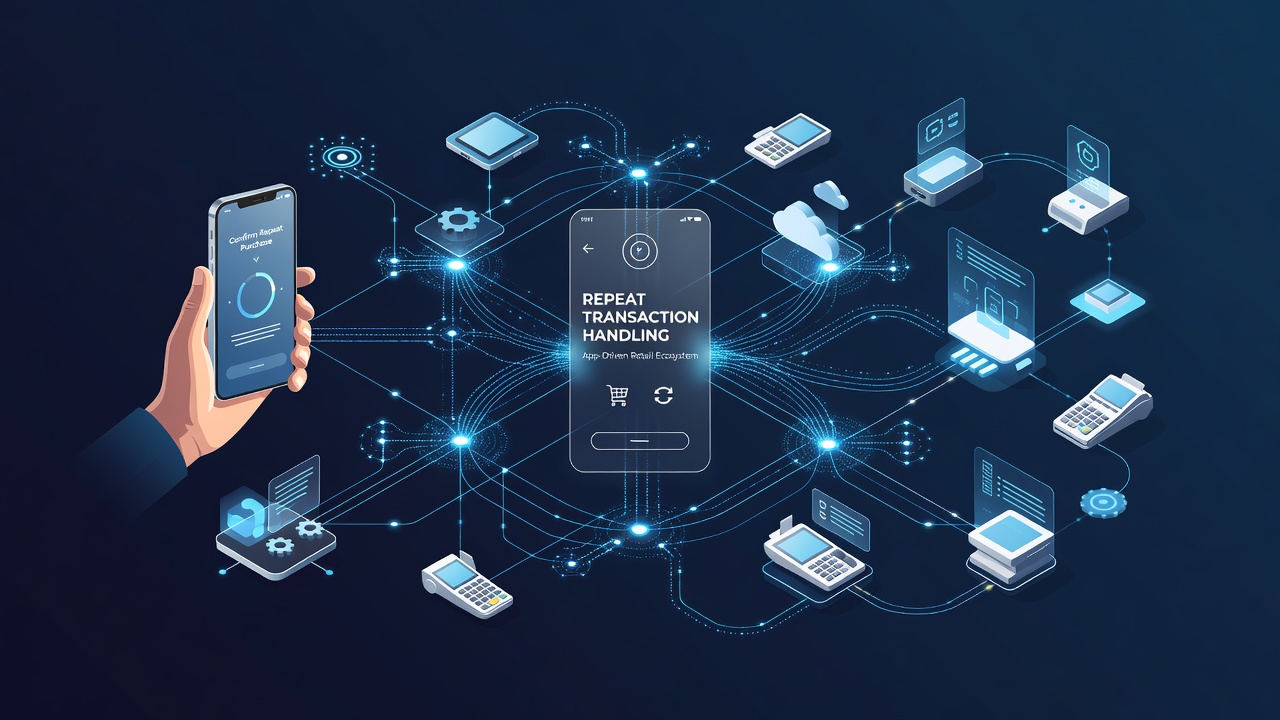
Connections Between Payment Processing Systems and Recurring Transaction Flows in Mobile Retail Applications
Payment processing networks operate as interconnected frameworks that route authorization requests, clear funds, and settle accounts between merchants and card issuers, while repeat transaction handling in app-driven retail ecosystems requires these networks to manage scheduled charges without interruption. Observers note that the coordination between these elements supports continuous billing cycles for subscriptions and recurring purchases made through mobile applications, and data from industry reports indicate that such systems processed billions of recurring payments globally by mid-2026.
Core Components of Processing Networks
Processing networks consist of acquirers, issuers, and switches that validate card details, check balances, and approve transactions in real time, and researchers have documented how these layers exchange messages through standardized protocols like ISO 8583 to ensure consistency across borders. In app-driven retail, mobile devices initiate requests that travel through gateways to these networks, where algorithms assess risk factors including velocity checks and device fingerprints before authorization completes. Experts observe that this structure allows for seamless handoffs between initial setup and subsequent charges, whereas any mismatch in data formatting can trigger declines that disrupt renewal sequences.
Mechanisms for Repeat Transaction Handling
Repeat transaction handling relies on stored credentials and tokenization to replace sensitive card data with unique identifiers that networks recognize during scheduled pulls, and studies show that token-based approaches reduced fraud rates in recurring mobile payments by significant margins according to analyses conducted through 2025. Systems batch these requests during off-peak windows to optimize network load, yet they maintain fallback routes when primary pathways encounter congestion. Those who manage retail platforms often integrate scheduling engines that align with network settlement cycles, which ensures funds move from consumer accounts to merchant ledgers on predictable dates without manual intervention each time.
Integration Points in App Ecosystems
App ecosystems connect directly to processing networks through APIs that embed payment logic into checkout flows and subscription managers, and figures from payment associations reveal that over 70 percent of mobile retail transactions in developed markets involved some form of recurring element by July 2026. Developers embed logic that triggers renewals based on user preferences stored in cloud profiles, while networks apply real-time fraud scoring that incorporates location data from the device. This linkage allows for dynamic adjustments such as currency conversion during foreign renewals, and one case documented by researchers highlighted how a major retailer maintained uninterrupted billing across 12 million subscribers after implementing unified API endpoints that communicated directly with multiple acquiring banks.
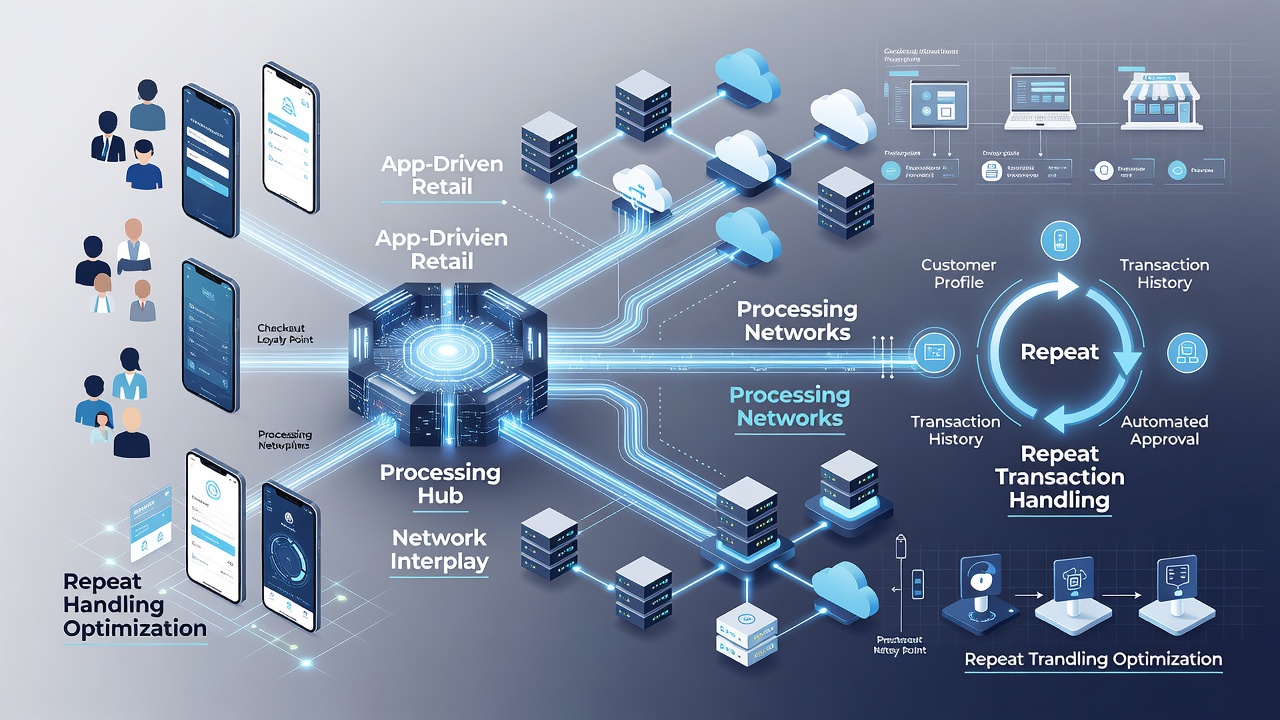
What's notable is the role of compliance layers that enforce rules from bodies like the Federal Reserve in the United States and the European Central Bank, which mandate specific authentication steps for recurring charges. These requirements integrate into the network flow so that each renewal attempt includes updated verification signals without forcing users to re-enter details repeatedly.
Operational Challenges and Network Responses
Operational challenges arise when network latency spikes or when issuers impose temporary holds on accounts, and industry data indicate that such events affect a small but measurable percentage of repeat transactions each month. Networks counter these issues with retry logic that spaces attempts across defined intervals while preserving the original authorization trail for audit purposes. Retail operators coordinate with processors to monitor decline codes and adjust parameters accordingly, and evidence from academic papers on payment infrastructure shows that predictive modeling based on historical patterns helps anticipate and mitigate disruptions in high-volume subscription environments.
Cross-border renewals add another layer because foreign exchange movements must route through established merchant account structures to keep amounts consistent in the user's local currency. Systems handle this by embedding rate locks at the time of initial authorization, then reconciling differences during settlement phases that occur daily or weekly depending on the network agreement.
Conclusion
The interplay between processing networks and repeat transaction handling continues to evolve as mobile retail expands its reliance on automated billing, and reports from organizations such as the Bank for International Settlements highlight ongoing investments in infrastructure that support higher volumes of cyclical payments. Observers note that successful implementations depend on precise alignment of technical protocols, fraud controls, and regulatory standards across all participants in the ecosystem. This coordination enables retailers to sustain revenue streams from app-based subscriptions while maintaining the reliability that consumers expect from seamless digital experiences.