Coordinated Check Sequences Between Retail Terminals and Subscription Platforms
Written by Xander Sullivan · Jun 28, 2026
Coordinated Check Sequences Between Retail Terminals and Subscription Platforms
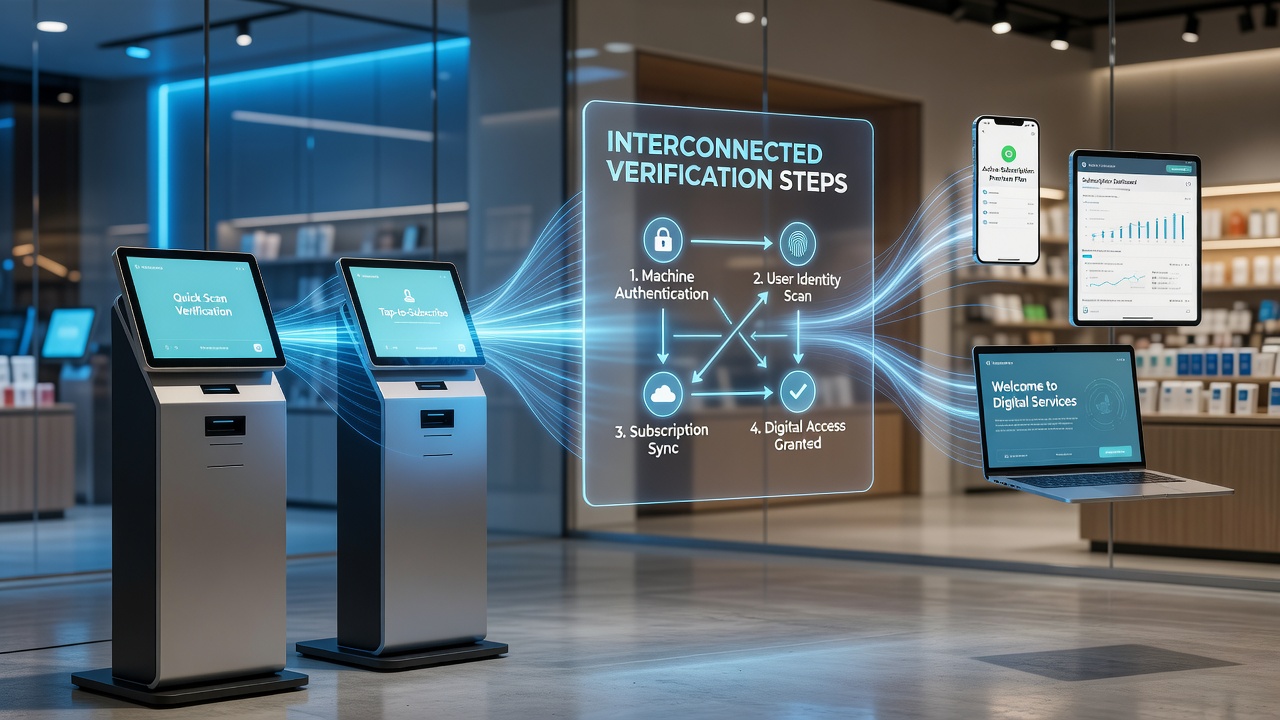
Storefront machines handle initial transaction data while digital subscription platforms manage recurring access, and coordinated verification steps ensure these separate environments exchange confirmations without interruption; observers note that such linkages rely on standardized protocols that transmit authorization tokens, account identifiers, and status flags across networks in real time.
Core Elements of Terminal-to-Platform Linkages
Physical terminals capture card details or mobile wallet identifiers at the point of sale, then forward encrypted payloads to gateway services that route requests toward subscription management layers; researchers have documented how these payloads include timestamp markers and merchant identifiers that allow cloud systems to match incoming charges against existing customer profiles. Data from industry reports indicates that verification sequences often begin with a local device check for hardware integrity before any network transmission occurs, reducing teh chance of malformed requests reaching central servers.
Cloud platforms respond with confirmation codes that terminals use to finalize in-store actions, while simultaneously updating subscription ledgers; this dual-path exchange means one verification event can trigger both immediate receipt printing and scheduled renewal flags. Figures from payment network analyses reveal that average round-trip times for these coordinated checks fall between 800 milliseconds and 1.2 seconds under typical load conditions in mid-2025 deployments.
Protocol Standards Governing Data Exchanges
Multiple standards bodies publish specifications that define message formats for linking storefront hardware to subscription engines, and organizations such as the European Payments Council have outlined requirements for tokenization layers that prevent exposure of primary account numbers during transit. Systems built to these guidelines embed verification tokens within each request so that receiving platforms can validate origin without maintaining persistent connections to every terminal.
API endpoints on subscription platforms accept structured JSON or XML payloads containing device certificates alongside transaction amounts, and terminals must present valid certificates before platforms issue renewal authorizations. Studies conducted by academic research groups in Canada have shown that certificate-based handshakes cut unauthorized access attempts by measurable margins when retail chains integrate their point-of-sale fleets with recurring billing engines.
Sequence Timing and Error Handling
Verification unfolds across distinct stages where a terminal first queries local databases for customer history, then transmits a condensed request to the platform for subscription status; if the platform detects an active cycle it returns an approval flag that the terminal converts into a printed or digital receipt. When mismatches arise, such as expired tokens or mismatched merchant IDs, the sequence includes fallback steps that log the event for later reconciliation without halting the customer interaction.
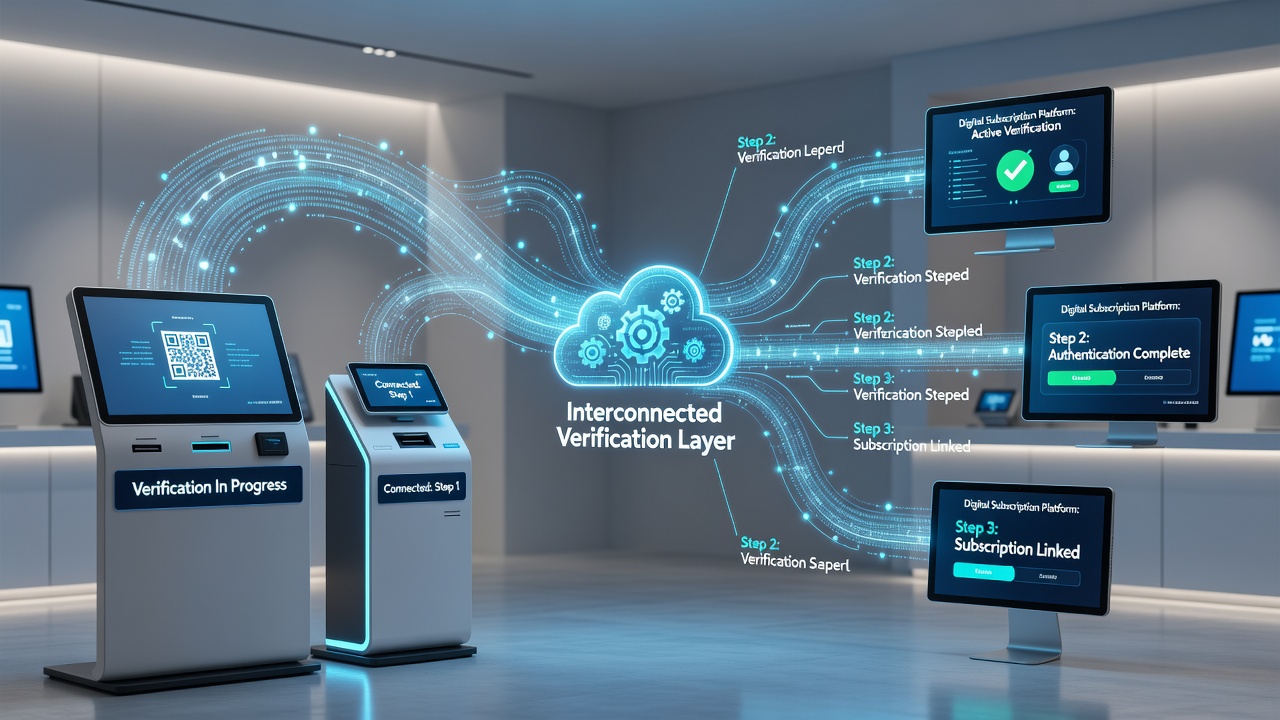
June 2026 updates to certain network rules are scheduled to introduce mandatory latency thresholds for these exchanges, requiring that any verification exceeding 2.5 seconds trigger an automatic retry through alternate routing paths. Payment processors have begun testing these thresholds in controlled environments, and preliminary results show improved consistency across blended retail operations that combine in-store purchases with ongoing digital access.
Security Mechanisms Embedded in Verification Flows
Encryption at rest and in transit forms the baseline for protecting data moving between terminals and platforms, while additional controls such as mutual authentication ensure that only pre-approved devices can initiate subscription checks. Observers tracking implementations across North American and Australian markets report that hardware security modules installed in storefront machines generate session keys unique to each verification cycle, limiting exposure windows even if network traffic is intercepted.
Subscription platforms maintain audit logs that record every incoming verification request alongside the resulting action, and these logs feed into compliance reporting frameworks required by regulatory authorities in multiple jurisdictions. The Payment Card Industry Data Security Standard continues to serve as a reference point for many of these logging practices, although regional variations exist in how frequently logs must be reviewed.
Integration Patterns Observed in Retail Environments
Retail chains that operate both physical locations and subscription services typically deploy middleware layers that translate terminal-native protocols into formats accepted by cloud billing engines; these middleware components perform format conversions, apply business rules for pricing tiers, and manage retry logic when temporary network partitions occur. Evidence from deployment case studies indicates that such middleware reduces integration development time by consolidating multiple verification pathways into a single configurable service.
One documented rollout in European retail networks demonstrated how phased testing of verification sequences across 1,200 terminals allowed teams to identify edge cases involving multi-currency renewals before full production cutover. The approach relied on staged activation where a subset of devices exchanged test tokens with the subscription platform while live transactions continued on remaining units.
Conclusion
Interconnected verification steps form the operational backbone that allows storefront machines to interact reliably with digital subscription platforms, and ongoing refinements to protocols, timing requirements, and security controls continue to shape how these linkages function across global retail networks. Data collected through 2025 and into scheduled 2026 updates shows measurable gains in consistency when coordinated sequences replace isolated checks, while maintaining compatibility with existing terminal fleets and cloud infrastructure.