Coordinating Authorization Protocols Across Merchant Accounts in Mobile Retail Ecosystems
Written by Tina Becker · Jul 21, 2026
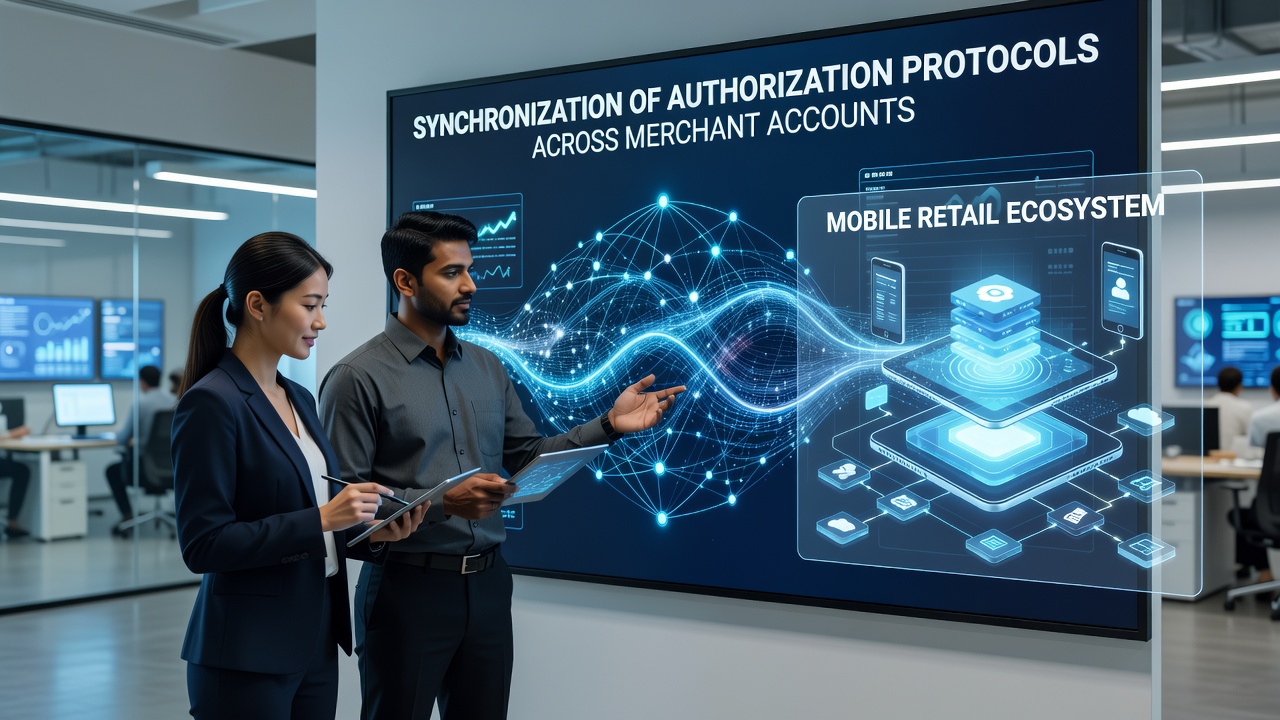
Coordinating Authorization Protocols Across Merchant Accounts in Mobile Retail Ecosystems
Authorization protocols in mobile retail require precise coordination across merchant accounts to maintain consistent transaction processing, and systems achieve this through shared API gateways that route requests in real time while preserving data integrity across platforms. Mobile devices connect to cloud-based ledgers where each merchant account maintains its own verification rules yet aligns with network-wide standards for token exchange and status updates.
Core Mechanisms of Protocol Alignment
Payment processors establish synchronization layers that translate authorization requests from in-store terminals into formats compatible with online subscription engines, and this translation occurs through standardized message schemas that carry merchant identifiers alongside transaction details. When a mobile point-of-sale device initiates a charge, the protocol stack first validates the account status across linked merchant profiles before forwarding the request to card networks, which reduces mismatches that could otherwise interrupt recurring billing cycles.
Researchers note that tokenization services play a central role because they generate session-specific credentials that multiple merchant accounts can reference without exposing primary account numbers, and this approach supports seamless handoffs between physical retail locations and digital storefronts. Data from payment networks shows that aligned protocols handle higher volumes during peak periods by distributing verification loads across redundant endpoints rather than concentrating traffic on single merchant accounts.
Integration Patterns in July 2026
As of July 2026, several large retail chains have completed phased rollouts of unified authorization hubs that link legacy terminal software with modern mobile applications, and these hubs rely on event-driven architectures to propagate authorization outcomes instantly across accounts. Observers report that such deployments often incorporate fallback routing rules so that if one merchant account encounters a temporary verification delay, traffic shifts automatically to an alternate profile while preserving the original transaction context.
Studies from academic payment research groups indicate that synchronization reduces authorization latency by coordinating timeout values and retry logic across systems, while the same coordination also supports regulatory reporting requirements by logging unified audit trails. Merchants who operate in multiple regions find that protocol alignment accommodates varying currency conversion steps without breaking the authorization sequence, and this consistency proves especially useful for subscription models that span both in-store activations and mobile renewals.
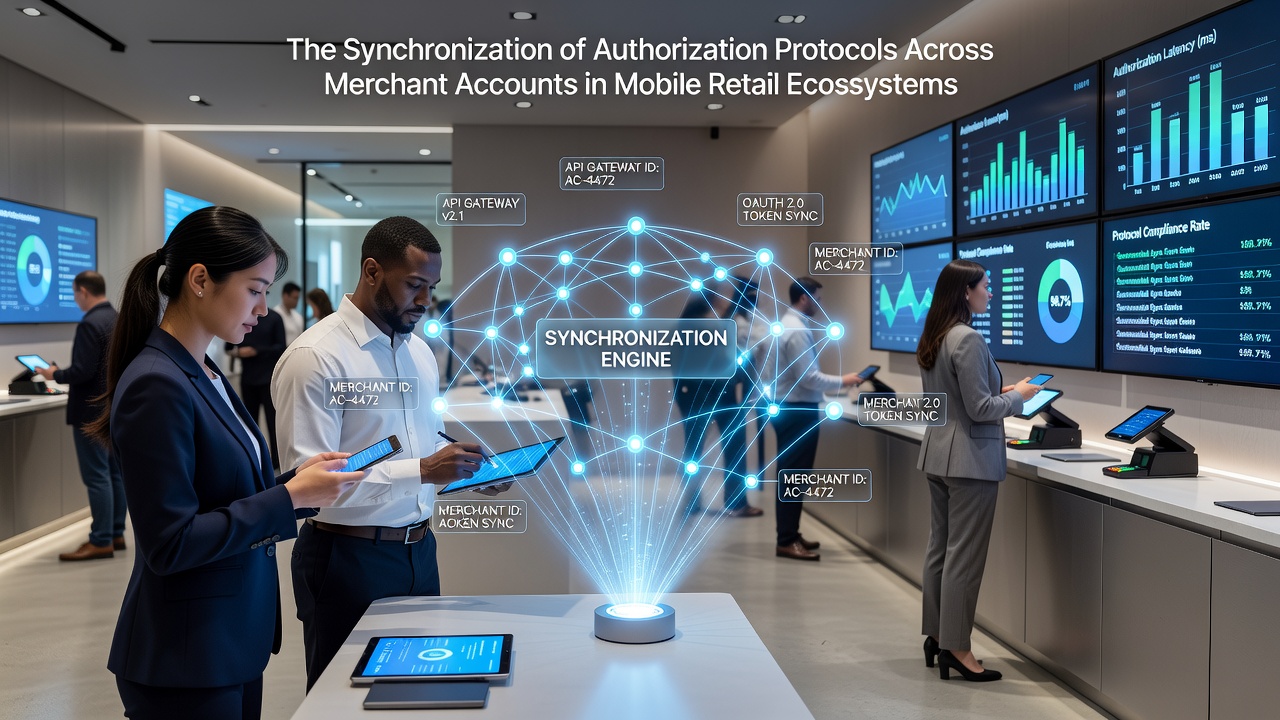
Security and Compliance Considerations
Security frameworks require that synchronized protocols enforce mutual authentication at each hop between merchant accounts and processing centers, and encryption standards such as TLS 1.3 protect the exchanged authorization payloads. Compliance teams track these flows through centralized dashboards that aggregate metrics from all linked accounts, allowing rapid identification of anomalies that might signal attempted fraud or configuration drift.
According to reports published by the European Central Bank, coordinated authorization systems demonstrate improved resilience during network stress events because redundant merchant profiles can absorb redirected traffic without manual intervention. Payment security standards continue to evolve, yet the core principle remains that each merchant account must apply identical risk thresholds during the authorization window to avoid divergent outcomes on identical transactions.
Operational Examples Across Retail Channels
One national grocery chain implemented synchronized protocols that connect its mobile app subscriptions with in-store loyalty terminals, and the system routes each authorization request through a common orchestration layer that checks account limits before approving charges. Another case involves a specialty electronics retailer whose mobile inventory system updates merchant account balances in real time so that subscription renewals for extended warranties align automatically with point-of-sale activations recorded earlier the same day.
Industry data compiled by the Reserve Bank of Australia reveals that retailers adopting these aligned frameworks report fewer declined transactions during cross-channel renewals, primarily because the protocols maintain consistent merchant descriptors and reference numbers throughout the authorization lifecycle. Such consistency also simplifies reconciliation processes at month end when finance teams match settlement files from multiple accounts.
Conclusion
The synchronization of authorization protocols across merchant accounts forms a foundational layer for reliable mobile retail operations, and continued refinement of these connections supports both immediate transaction success and long-term scalability of blended retail models. As networks expand and new device types enter the ecosystem, the emphasis remains on maintaining uniform verification rules while allowing each merchant account to retain its specific operational parameters.