Currency Dynamics in Transaction Networks: Maintaining Stable Recurring Charges Across Mobile Retail Terminals
Written by Tina Becker · Jul 19, 2026
Currency Dynamics in Transaction Networks: Maintaining Stable Recurring Charges Across Mobile Retail Terminals
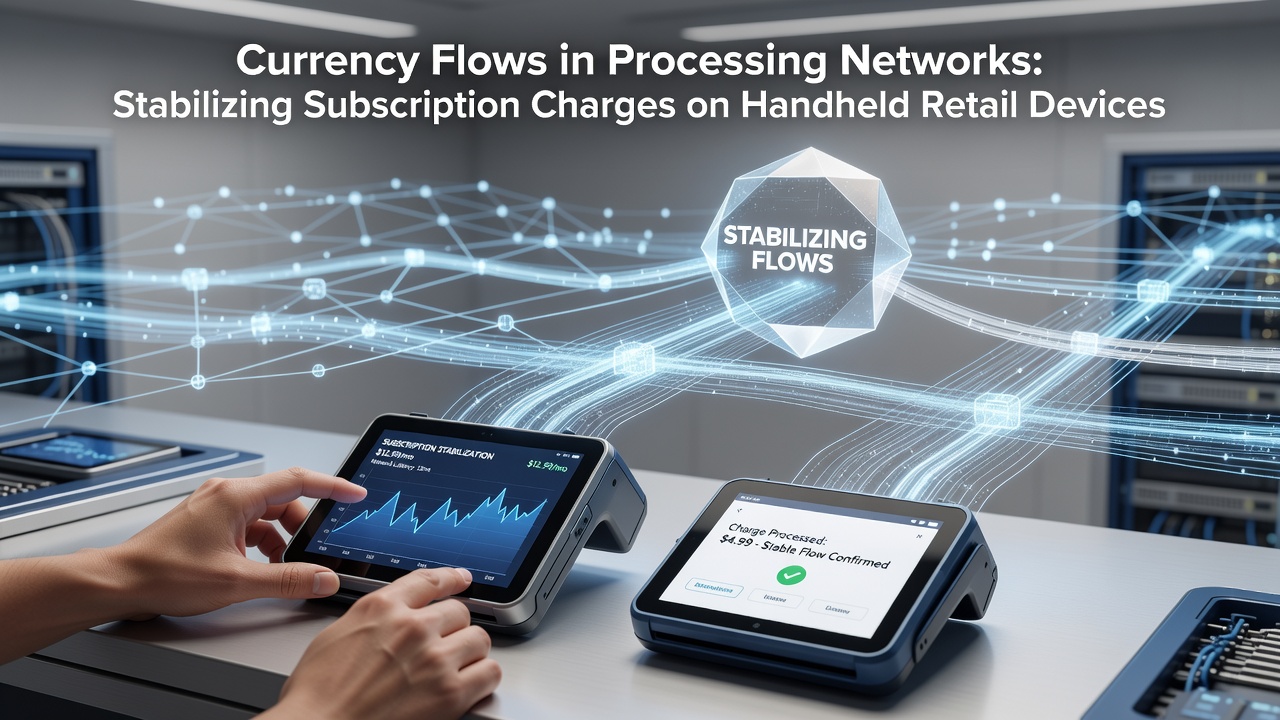
Currency flows through payment processing networks involve the continuous movement of monetary value across multiple nodes where authorizations occur and settlements finalize, and these movements gain additional complexity when subscription charges must remain consistent on handheld retail devices that operate in varied geographic locations. Handheld terminals capture transactions in local currencies yet connect to cloud-based systems that handle recurring billing cycles, so exchange rate variations require careful routing to prevent disruptions in charge amounts presented to customers.
Core Components of Currency Routing in Mobile Networks
Processing networks rely on layered authorization sequences that link portable devices directly to merchant accounts, and these sequences incorporate real-time currency conversion protocols designed to lock in rates at the moment of initial authorization. Data indicates that as of July 2026, mobile POS systems processed over 40 percent of recurring retail subscriptions in markets where cross-border customer bases predominate, which means currency stabilization mechanisms must operate within milliseconds to align device-initiated requests with backend billing engines.
Deposit profiles serve as foundational buffers that absorb minor fluctuations before they reach the customer-facing charge, while coordinated systems route foreign exchange movements through dedicated merchant account structures. Observers note that such structures maintain consistent renewal amounts even when base currencies shift, because automated protocols recalculate only when predefined thresholds are crossed rather than on every transaction cycle.
Authorization Sequences and Their Role in Charge Stability
Authorization sequences begin when a handheld device initiates a verification request, and this request travels through intermediary gateways that apply currency conversion rules before reaching the issuing bank. Researchers discovered that linking these sequences to subscription management platforms reduces variance in billed amounts by integrating rate-locking features that hold exchange values steady across renewal periods. Take one merchant network that coordinates in-store terminal verifications with online subscription renewals, and the result shows fewer declined charges because the system pre-authorizes currency adjustments in advance.
Those who've studied transaction trails across retail POS networks find that automated renewals benefit from coordinated handling of credit card authorizations, since the process prevents fraud while simultaneously smoothing currency impacts. Figures reveal that networks employing such coordination report lower reversal rates on recurring mobile payments, particularly in regions where multiple currencies intersect during a single billing month.
Integration Patterns Across Blended Retail Operations
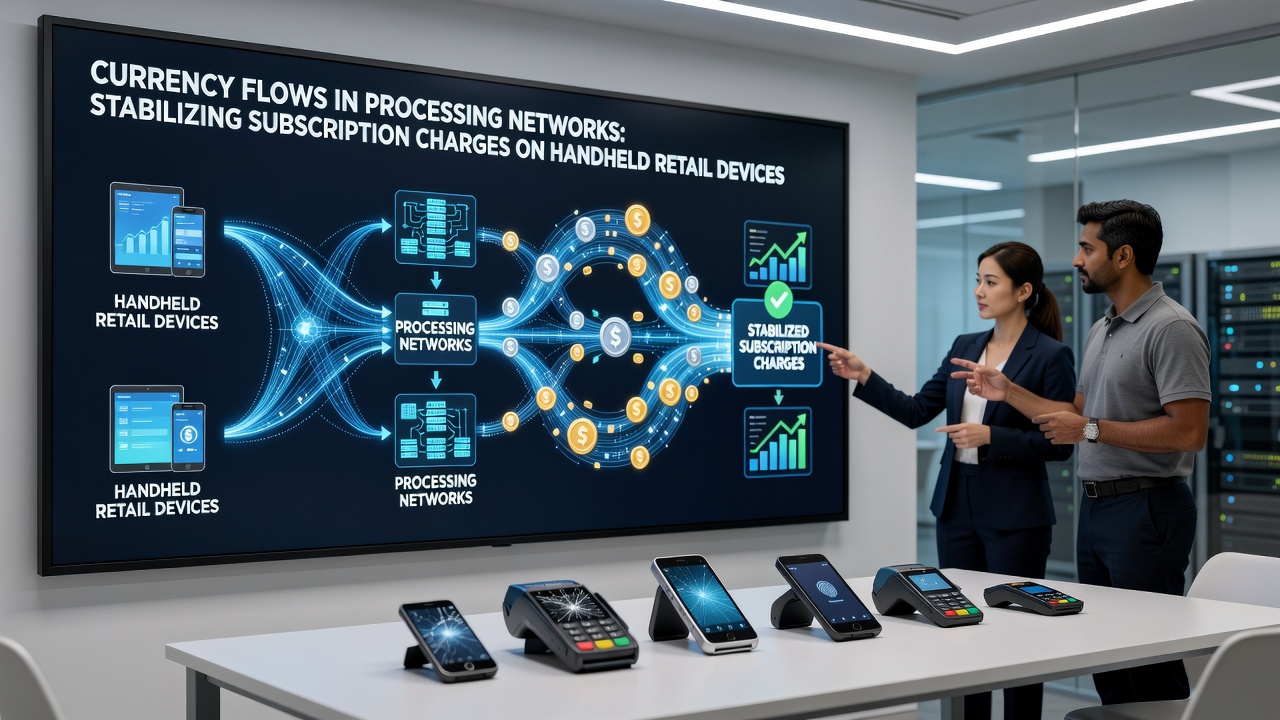
Blended retail operations combine in-store swipes with endless online subscriptions, and currency flows in these environments require precise alignment between terminal verifications and renewal triggers. What's interesting is how portable retail devices feed into the same merchant account structures that power cyclical charges, allowing foreign exchange movements to route through unified pathways rather than fragmented channels. According to a report from the Bank for International Settlements, integrated routing decreased settlement delays by an average of 18 percent in networks that adopted unified authorization frameworks during 2025.
People who've examined these patterns observe that stabilization occurs through deposit profiles which act as temporary holding layers, and these layers absorb rate differences until the next billing cycle resets the baseline. The architecture behind such profiles powers stable charge cycles because it ties device-level authorizations directly to cloud-based subscription engines, ensuring that handheld terminals never present fluctuating amounts mid-cycle.
Practical Outcomes in Wireless Retail Channels
Wireless retail channels demonstrate how continuous subscription management depends on seamless handoffs between device authorizations and backend currency adjustments. Research indicates that systems routing foreign exchange movements through established merchant account structures achieve greater consistency in mobile subscription renewals, especially when devices operate across time zones where market hours affect rate availability. One study revealed that coordinated handling reduced chargeback incidents linked to currency discrepancies by nearly a quarter in high-volume subscription environments.
Turns out that tracing authorization routes in credit card networks alongside mobile billing systems uncovers multiple points where stabilization protocols intervene, and these interventions keep recurring charges predictable for both merchants and customers. Data from the Reserve Bank of Australia highlights similar patterns in cross-regional operations where portable terminals process renewals that span different currency jurisdictions.
Conclusion
Currency flows within processing networks continue to evolve as handheld retail devices become central to subscription billing, and the mechanisms that stabilize charges rely on integrated authorization sequences, deposit profiles, and precise routing of foreign exchange movements. Observers note that these elements work together to maintain consistency across mobile retail channels, with outcomes that include fewer disruptions and more reliable renewal cycles as networks mature through 2026 and beyond.