Encryption Processes in Payment Hardware and Their Effects on Billing Consistency for Sellers Operating Multiple Channels
Written by Felix Meier · Aug 25, 2026
Encryption Processes in Payment Hardware and Their Effects on Billing Consistency for Sellers Operating Multiple Channels
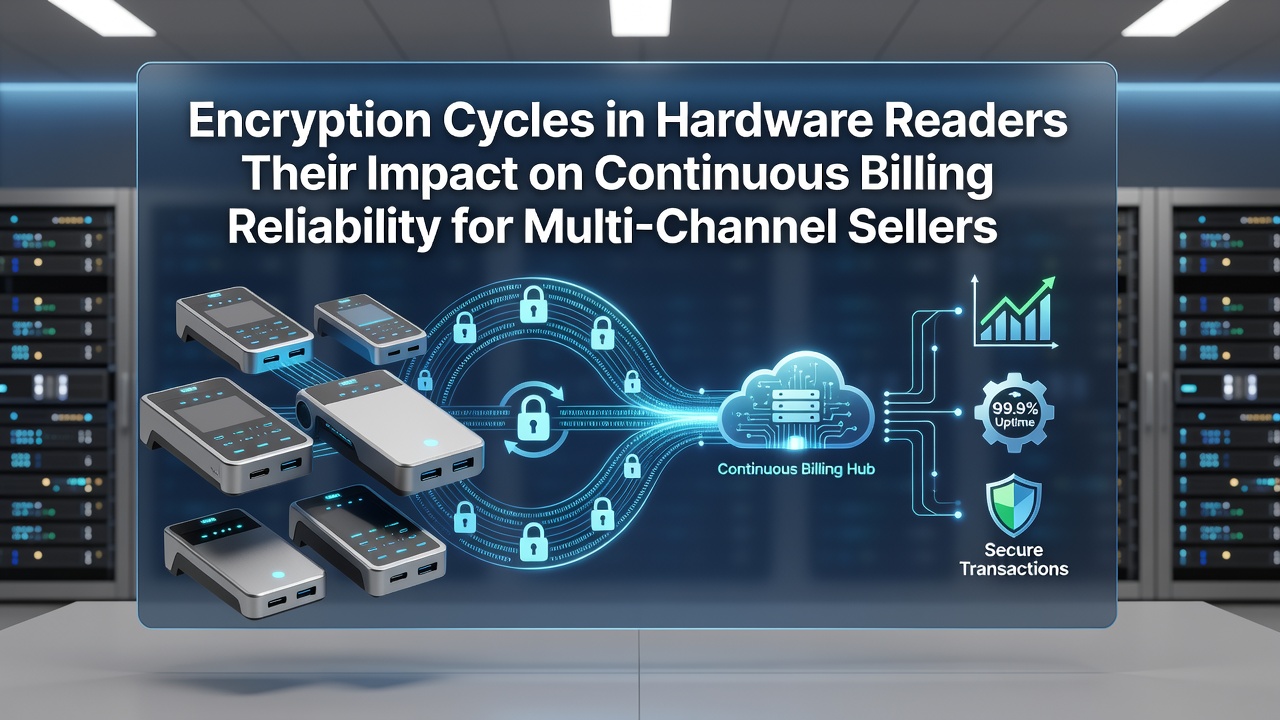
Hardware readers in multi-channel retail environments rely on structured encryption sequences to protect card data during every transaction, and these sequences directly influence how reliably recurring charges process across online, in-store, and mobile channels. Data shows that encryption key rotation and re-encryption steps occur at fixed intervals within reader firmware, creating predictable cycles that secure information yet introduce brief windows where transaction validation must complete successfully or risk interruption. Researchers at payment security organizations have documented how these cycles maintain compliance while affecting the flow of authorization requests to merchant accounts.
Core Mechanics of Encryption Cycles in Reader Devices
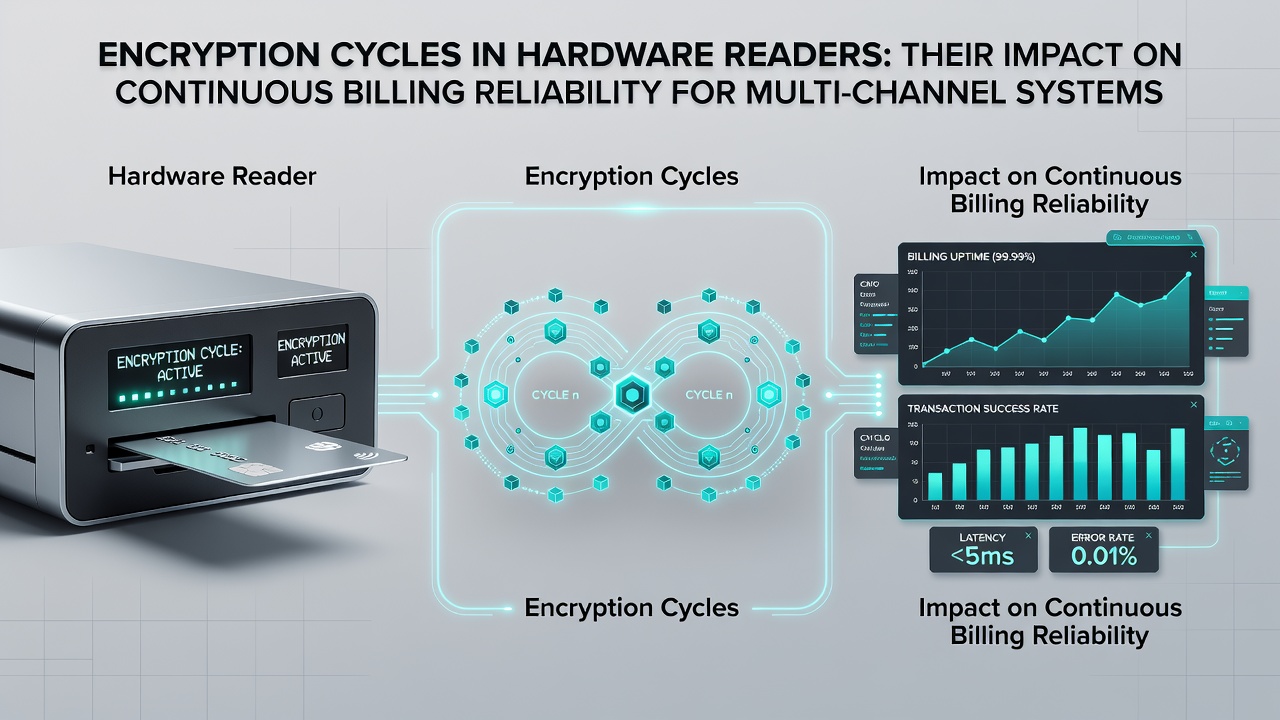
Encryption cycles begin when a hardware reader captures card details and immediately applies symmetric and asymmetric algorithms to form a protected payload, then the device rotates session keys according to programmed schedules set by manufacturers and updated through firmware releases. Observers note that these rotations typically align with standards from the PCI Security Standards Council, which require periodic key changes to limit exposure if a breach occurs. The process continues as the reader transmits the encrypted data to a gateway, where further decryption and tokenization occur before the authorization request reaches the issuing bank.
Multi-channel sellers depend on consistent performance because a single failed cycle can delay or block a subscription renewal that spans both physical terminals and digital platforms. Figures from industry reports indicate that synchronization between reader firmware and backend systems determines whether cycles complete without introducing latency into the billing sequence.
Impact on Continuous Billing Reliability
Continuous billing requires uninterrupted authorization flows, and encryption cycles intersect with this requirement when hardware readers handle high volumes of recurring transactions. Studies from payment processing networks reveal that cycle timing affects success rates because any misalignment between key rotation and the moment a renewal charge is attempted can trigger retry logic or temporary declines. Those who manage blended retail operations have seen how portable devices used in pop-up locations must maintain the same cycle cadence as fixed terminals to avoid discrepancies in subscription status across channels.
What's interesting is how these cycles interact with network conditions, since longer encryption processing times during peak hours can compound with gateway response delays and create gaps in billing reliability. Data from transaction logs shows that sellers operating in multiple regions experience varied effects based on local infrastructure and the specific encryption standards enforced by regional regulators.
Integration Challenges Across Retail Channels
Integration between hardware readers and subscription management platforms demands that encryption cycles remain compatible with API endpoints used for recurring billing. Experts have observed that when a reader completes its cycle and forwards tokenized data, the receiving system must validate the token within the same session window to prevent renewal failures. Sellers coordinating in-store and mobile channels often discover that firmware updates altering cycle frequency require corresponding adjustments in their merchant account settings to preserve authorization continuity.
According to documentation from the European Central Bank on retail payment security, coordinated encryption practices across devices reduce the incidence of authorization drops during scheduled renewals. This coordination becomes especially relevant when foreign exchange conversions occur alongside recurring charges, since additional processing steps must fit within the encryption cycle timing.
Practical Considerations for Multi-Channel Operations
Merchants running parallel sales channels implement monitoring tools that track cycle completion rates on each reader type, allowing them to identify patterns where encryption sequences coincide with billing interruptions. Research from academic papers on payment systems indicates that proactive firmware management and alignment with gateway specifications help maintain steady charge flows even when volumes spike during promotional periods. Those coordinating point-of-sale devices with online subscription platforms note that standardized encryption protocols simplify troubleshooting when a renewal fails to process.
But here's teh thing: hardware readers must receive regular security patches that update cycle parameters, and sellers who delay these updates risk creating mismatches that affect billing reliability across all channels simultaneously. Evidence from transaction analytics platforms shows measurable improvements in renewal success after synchronized updates take effect.
Conclusion
Encryption cycles embedded in hardware readers form a foundational element of secure transaction handling, and their management directly supports the reliability of continuous billing for sellers who operate across multiple retail channels. Organizations that align firmware schedules, gateway integrations, and compliance requirements create conditions where authorization sequences complete without disruption, preserving revenue streams tied to recurring payments. Ongoing developments in reader technology continue to refine these cycles to meet evolving security demands while sustaining operational consistency for diverse sales environments.