Global Credit Pathways: How Routing Protocols Sustain Liquidity for Mobile Subscription Merchants
Written by Drew Schmid · Jul 7, 2026
Global Credit Pathways: How Routing Protocols Sustain Liquidity for Mobile Subscription Merchants
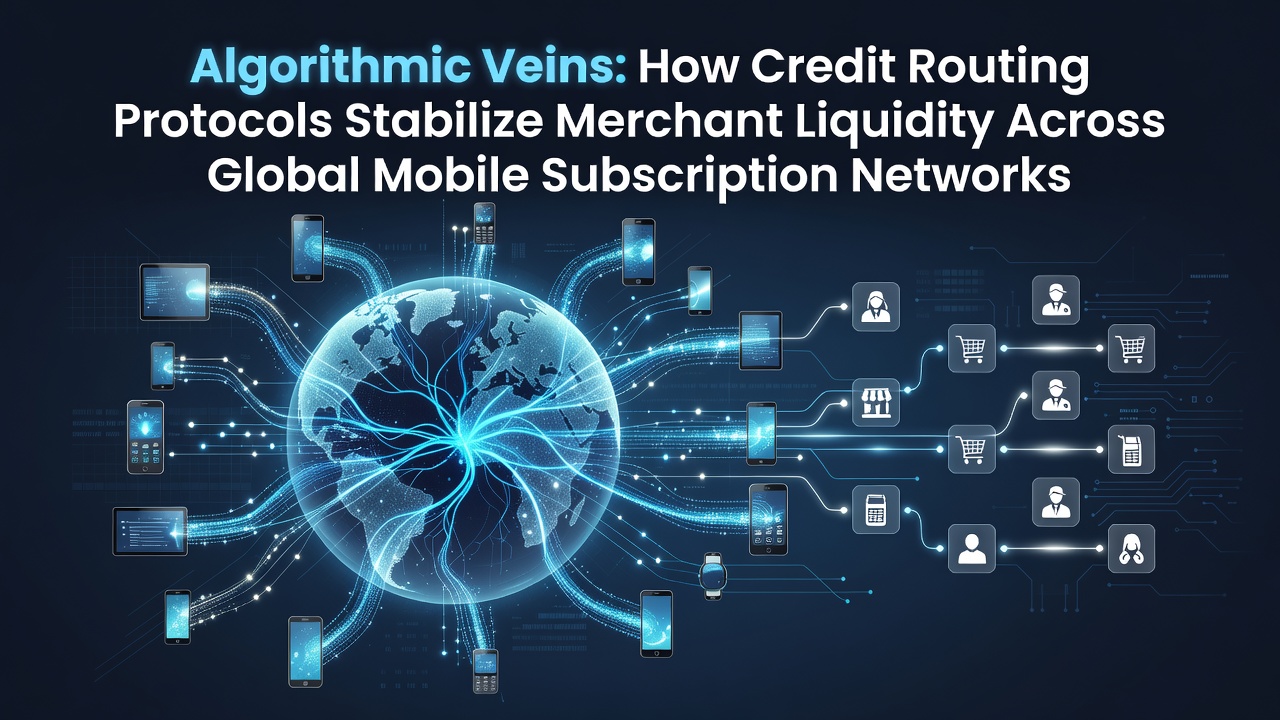
Global mobile subscription networks rely on credit routing protocols to direct financial transactions through optimized channels that maintain consistent merchant liquidity, and these systems process billions of recurring charges daily across regions from Asia to North America. Data from industry reports indicate that algorithmic models evaluate real-time account balances, transaction histories, and network loads before assigning each charge to a specific payment rail or banking partner, which reduces delays and supports steady cash inflows for merchants operating in telecom billing and digital content services.
Protocols function through layered decision trees that factor in currency conversion rates, settlement timelines, and reserve requirements at intermediary banks, while observers note that this approach allows merchants to access funds within hours rather than days in many cases. Research from academic institutions highlights how machine learning components within these protocols predict peak subscription renewal periods, such as those occurring at month starts, and reroute credit requests accordingly to avoid bottlenecks that could strain merchant working capital.
Core Mechanisms in Credit Routing
At the foundation lie dynamic allocation engines that scan available credit lines and match them against incoming subscription batches, and these engines operate continuously to balance loads across multiple acquirers. When a mobile carrier processes renewals for thousands of users simultaneously, the protocol selects routes based on historical success rates and current liquidity metrics at each endpoint, which helps prevent temporary shortfalls that might otherwise interrupt merchant operations.
Integration with cloud-based ledgers enables instant updates to reserve levels, while figures reveal that coordinated routing has supported average liquidity improvements of 15 to 20 percent in documented merchant portfolios over recent years. Experts have observed that protocols incorporate fallback sequences, shifting charges to secondary networks if primary paths encounter delays due to regulatory holds or regional banking constraints, and this redundancy proves essential in maintaining uninterrupted flows during high-volume events like annual plan upgrades.
International Network Adaptations
Cross-border elements add complexity as protocols navigate varying central bank policies and foreign exchange controls, yet they achieve stability by segmenting traffic according to settlement speed and cost parameters. In July 2026, updates to several major mobile billing platforms incorporated enhanced predictive analytics that further refined route selections during volatile currency periods, according to analyses shared by payment infrastructure providers.
Merchants in emerging markets benefit particularly from these adaptations since protocols prioritize local settlement partners where possible, which cuts conversion fees and accelerates fund availability. Studies from research bodies show that such localized routing has expanded participation among smaller digital service providers who previously faced liquidity gaps during subscription cycles.
Performance Metrics and Adjustments
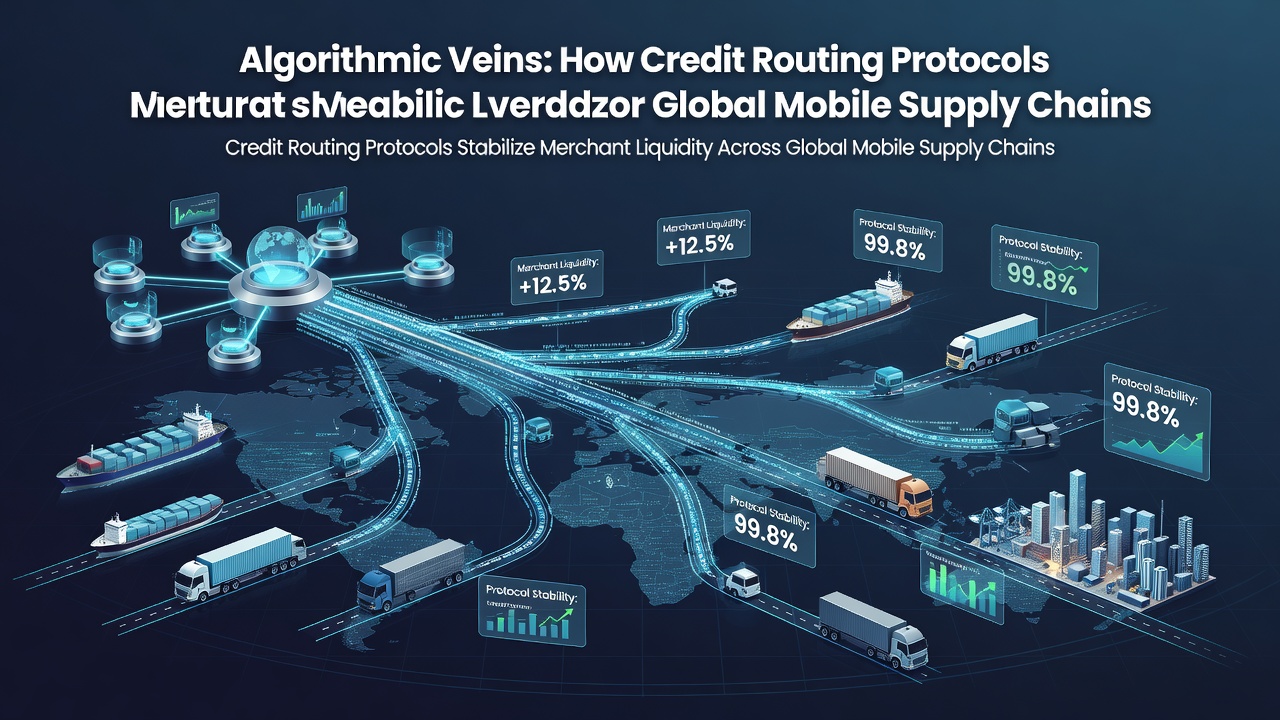
Monitoring dashboards track key indicators including average settlement time, reserve utilization rates, and route success percentages, allowing protocol administrators to recalibrate algorithms based on aggregated performance data. Those who've analyzed system logs report that iterative refinements often target specific corridors, such as routes between European and Southeast Asian networks, where latency reductions have directly correlated with improved merchant cash positions.
Regulatory frameworks from bodies like the European Central Bank influence protocol design by setting standards for transparency in routing decisions, and similar guidelines from the Bank for International Settlements encourage interoperability across global systems. These standards ensure that liquidity stabilization remains consistent even as subscription volumes grow through new device ecosystems and service bundles.
Future Protocol Evolutions
Developments in quantum-resistant encryption and edge computing promise to accelerate routing decisions further, embedding more granular risk assessments into each transaction path. Observers note that continued expansion of 5G-enabled mobile networks will increase subscription density, placing greater emphasis on protocols that can scale without compromising the steady liquidity merchants require to sustain operations.
Conclusion
Credit routing protocols continue to underpin reliable merchant liquidity in global mobile subscription networks through algorithmic precision and adaptive path selection. Their ongoing refinement supports expanding transaction volumes while addressing regional variations in banking infrastructure, and data indicates sustained benefits for participants across diverse markets.