Interconnected Authentication Protocols Sustaining Continuous Transactions on Handheld Retail Systems
Written by Felix Meier · Jun 30, 2026
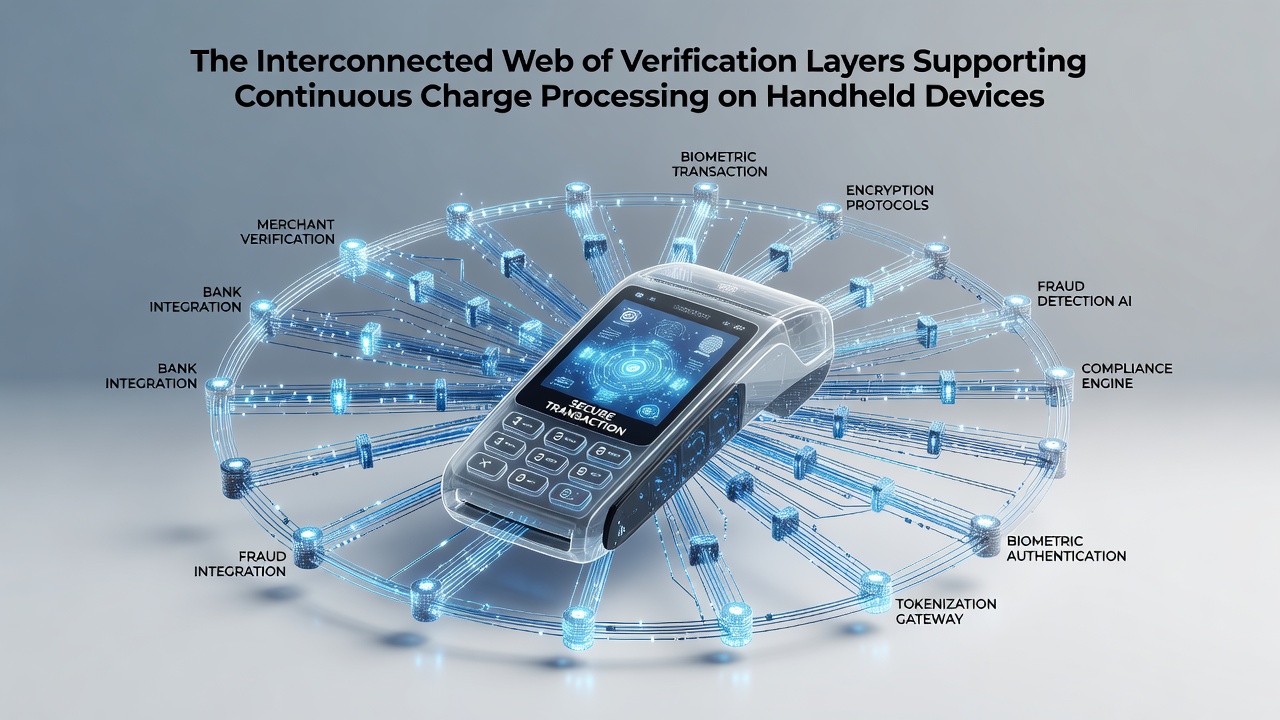
Interconnected Authentication Protocols Sustaining Continuous Transactions on Handheld Retail Systems
Handheld devices now handle recurring billing through networks of verification protocols that link device-level checks with backend authorization systems, and these layers operate in sequence to validate each charge cycle while maintaining transaction integrity across wireless networks. Data from payment infrastructure reports shows that such frameworks process millions of subscription renewals daily by combining token validation, device fingerprinting, and real-time risk scoring before funds move from merchant accounts to consumers.
Device-Level Verification Foundations
Portable terminals initiate each billing event by confirming hardware signatures and cryptographic keys stored locally, then these checks connect to cloud repositories that cross-reference transaction histories, while operators observe that failures at this stage trigger immediate halts before any charge attempt proceeds further into the system. Research from the Reserve Bank of Australia indicates that device authentication reduces unauthorized access attempts by integrating with operating system APIs that report location data and network conditions simultaneously.
Merchants configure these initial layers during terminal setup so that subsequent renewals inherit established trust parameters, and this approach allows continuous processing even when connectivity fluctuates briefly because cached tokens permit short-term approvals pending full synchronization. Observers note that June 2026 projections from industry analyses forecast expanded adoption of biometric overlays on these base protocols as handheld hardware capabilities advance.
Cloud Synchronization and Risk Scoring Layers
Once local verification passes, transaction details route through API endpoints that apply behavioral analytics drawn from aggregated merchant data, and these scoring engines evaluate factors such as purchase frequency alongside account age to assign risk values that determine whether full authorization proceeds or additional confirmation steps activate. The European Central Bank published figures revealing that integrated scoring systems lowered fraud rates in mobile recurring payments by coordinating signals across multiple verification stages rather than relying on isolated checks.
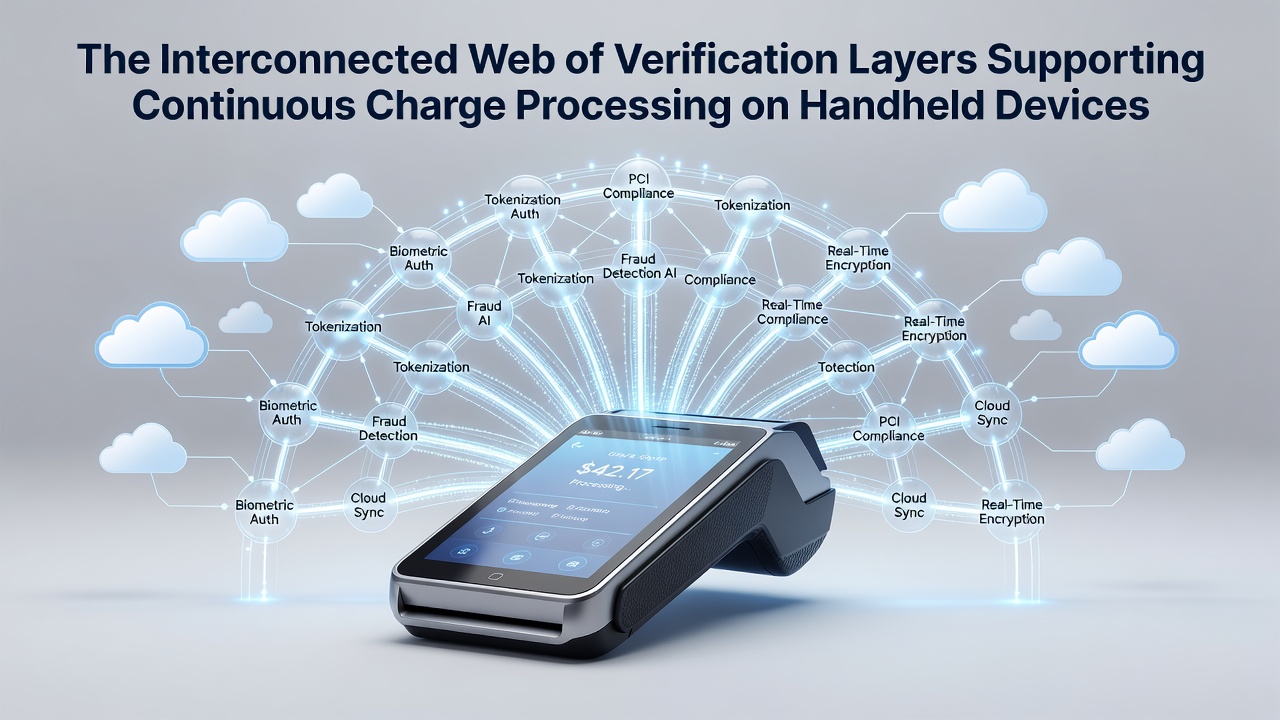
Tokenization services sit at this intersection to replace sensitive card details with unique identifiers that travel between layers without exposing primary account numbers, and this substitution maintains continuity because renewal requests reference the same tokens across billing intervals. People working with blended retail operations find that these synchronized layers support both in-store and remote subscription models by routing each request through shared verification paths that update status flags in real time.
Authorization Routing Across Networks
Approved requests advance to payment networks where acquirer banks and card schemes perform final settlement validations that incorporate currency conversion rules when international charges occur, and these steps ensure deposit profiles remain balanced to prevent interruptions in ongoing cycles. Studies from academic sources such as the MIT Center for Finance and Policy have examined how coordinated routing protocols distribute load across redundant pathways, allowing systems to reroute traffic automatically if one verification node encounters delays during peak renewal periods.
Foreign exchange handling integrates here through predefined merchant account structures that lock rates for subscription periods, and this stability supports predictable billing on handheld devices used in travel retail or cross-border operations. Those managing such setups report that alignment between terminal verifications and network-level checks prevents duplicate processing because each layer logs its outcome before passing control onward.
Integration with Broader Retail Ecosystems
Handheld verification webs extend into point-of-sale ecosystems by linking mobile terminals with centralized databases that track both one-time purchases and recurring commitments, and this connection enables merchants to adjust charge parameters based on unified customer profiles without separate onboarding flows. Industry organizations like the Payments Association have documented how these integrations reduce operational friction while preserving security standards that govern data exchange between portable units and backend processors.
Updates scheduled around June 2026 include enhanced encryption standards rolling out across major networks, and these changes will require terminal firmware adjustments that maintain backward compatibility for existing verification sequences. The reality is that such evolutions build on established patterns where each layer reinforces the next to sustain uninterrupted charge processing even as regulatory requirements evolve in different regions.
Conclusion
Verification layers form an interconnected structure that supports continuous charge processing on handheld devices by sequencing device authentication, cloud analytics, token management, and network authorizations into a cohesive flow, and data indicates these systems handle increasing volumes while adapting to new hardware and compliance demands. Merchants benefit from configurations that keep renewal cycles stable across varied retail channels, whereas researchers continue to analyze performance metrics from live deployments to identify further refinements in protocol coordination.