Ledger Matching Approaches That Align Countertop Payment Devices with Recurring Billing Systems in Retail Networks
Written by Xander Sullivan · Jul 17, 2026
Ledger Matching Approaches That Align Countertop Payment Devices with Recurring Billing Systems in Retail Networks
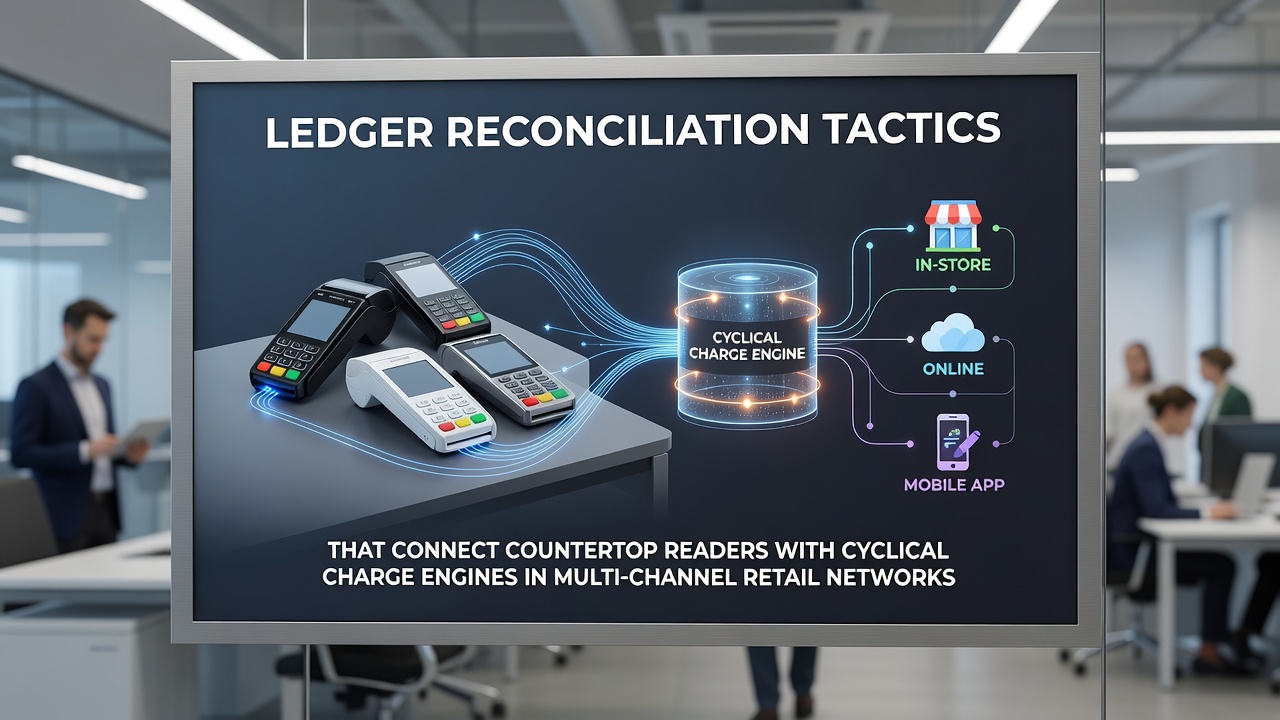
Retail operations that span physical stores and digital channels rely on precise ledger matching to keep transaction records consistent between countertop readers and systems that handle recurring charges. These processes ensure that one-time sales recorded at store terminals correspond accurately with ongoing billing cycles managed through centralized platforms. Data from multiple channels flows into shared ledgers where discrepancies can arise from timing differences, currency conversions, or batch processing delays.
Countertop readers capture payments at the point of sale while cyclical charge engines process automated renewals for subscriptions or installment plans. Reconciliation tactics focus on matching authorization codes, amounts, and timestamps across these two environments. Retail networks use standardized data formats to pull entries from both sources into comparison reports that run daily or at the end of each settlement period.
Core Components of the Matching Process
Transaction identifiers generated by countertop readers serve as the primary key for linking records to entries created by recurring billing engines. When a customer makes an in-store purchase that triggers a future subscription, the initial authorization record travels through merchant accounts and lands in the central ledger. Systems then compare this record against subsequent charge attempts generated by the billing engine. Observers note that matching succeeds when batch files from terminals arrive within established time windows and when recurring entries carry the same merchant category codes.
Retailers apply automated rules to flag unmatched items such as partial refunds or declined renewals. These rules scan for variances in settlement amounts that exceed predefined thresholds and route those cases to manual review queues. Figures from industry reports show that networks handling high volumes of mixed transaction types complete initial matching cycles within four hours of batch closeout.
Handling Data from Multiple Retail Channels
Multi-channel environments introduce additional variables because online orders, mobile app purchases, and in-store sales all feed into the same ledger structure. Countertop readers in physical locations generate entries that must reconcile with recurring charges initiated from customer accounts that may have originated through any of those channels. Coordination occurs through timestamp normalization and currency standardization routines that convert all amounts to a base currency before comparison begins.
One study revealed that retail groups operating across three or more regions reduced unmatched transaction rates by 18 percent after implementing channel-specific prefix codes on authorization records. These codes allow the reconciliation engine to distinguish between a countertop sale completed in a flagship store and a renewal processed for the same customer through an e-commerce portal.
Timing and Settlement Considerations
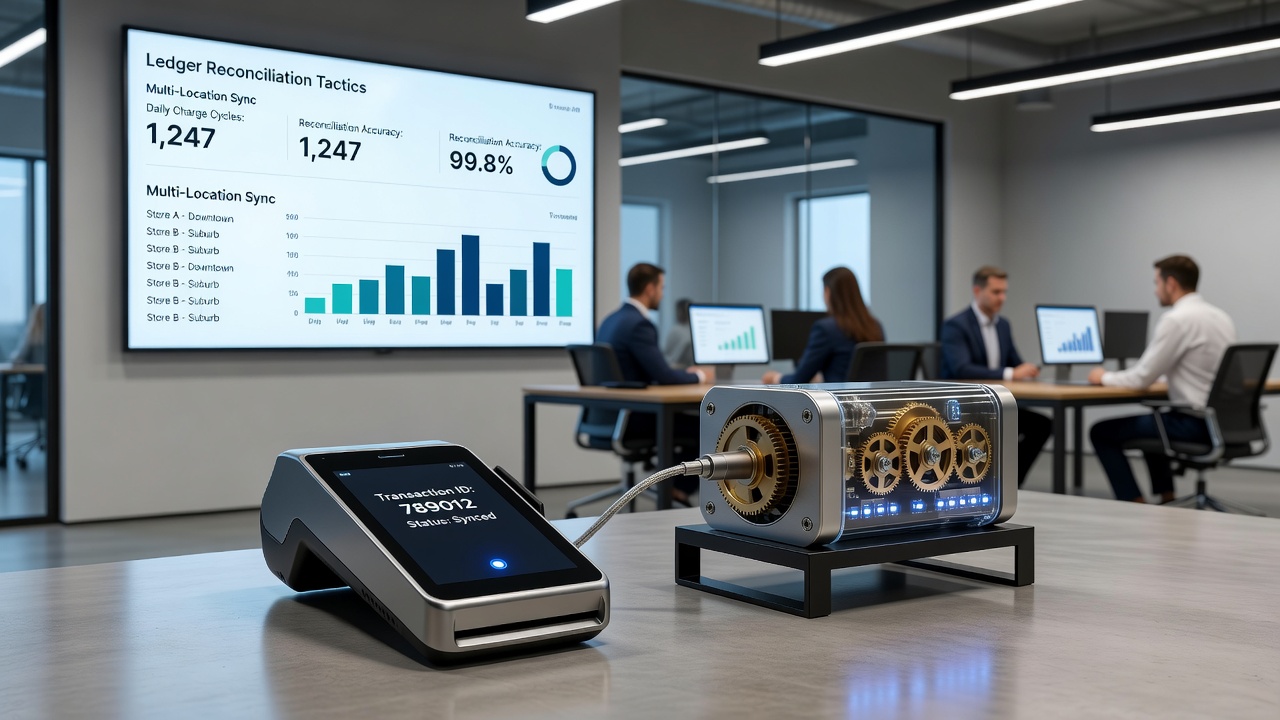
Settlement cycles for countertop payments typically close at midnight local time while recurring billing engines may run on fixed calendar dates. This offset creates windows where a charge initiated on the 15th of the month appears in the ledger before the corresponding store transaction settles. Reconciliation systems accommodate these differences by maintaining pending transaction pools that carry forward until both sides of the entry appear.
According to guidance issued by the Federal Reserve in July 2026, networks that process cross-border recurring payments should apply additional verification steps during reconciliation to account for foreign exchange adjustments that occur between authorization and settlement. Those adjustments appear as small variances that automated matching routines now flag for separate review rather than immediate rejection.
Verification Techniques Used by Retail Networks
Retail operations employ three-stage verification that begins with automated amount and code matching, moves to exception reporting for partial matches, and ends with auditor sign-off on high-value discrepancies. Each stage generates audit trails that record who accessed the records and what adjustments were applied. Payment processors distribute daily reconciliation summaries to merchant teams so that unresolved items receive attention before the next settlement window opens.
Retail groups that maintain separate ledgers for in-store and subscription activity often run parallel reconciliation jobs and then merge the results. This approach prevents a single large recurring batch from overwhelming the comparison process used for countertop batches. Data indicates that parallel processing cuts average resolution time for complex multi-channel discrepancies from two days to under six hours.
Conclusion
Ledger reconciliation in multi-channel retail depends on consistent use of transaction identifiers, normalized timestamps, and staged verification routines that connect countertop reader entries with recurring billing outputs. Networks that apply these tactics maintain accurate records across physical and digital sales channels while meeting settlement deadlines established by card networks and processors. Continued refinement of matching rules supports stable operations as transaction volumes and channel diversity increase.