POS Pulse: Fraud-Fighting Integrations That Link In-Store Swipes to Endless Online Subscriptions
Written by Tina Becker · Apr 26, 2026
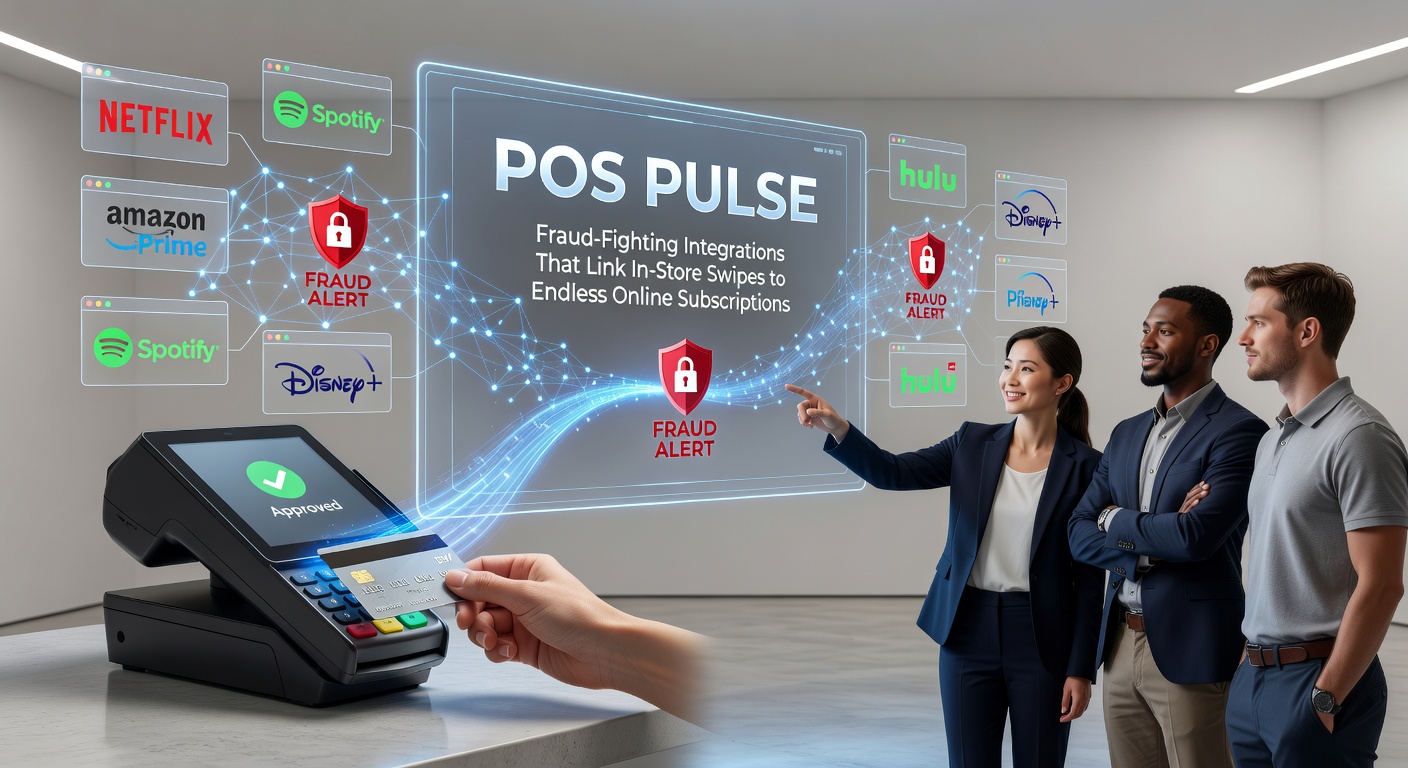
POS Pulse: Fraud-Fighting Integrations That Link In-Store Swipes to Endless Online Subscriptions
The Rise of Unified Transaction Tracking
Retailers face a growing challenge where in-store card swipes feed directly into online subscription models, creating opportunities for fraudsters to exploit the gaps; that's where POS pulse integrations come in, linking physical transactions to digital recurring payments in real time. Data from the U.S. Federal Trade Commission reveals that identity theft complaints surged 25% in recent years, with subscription scams topping the list, while experts note how these tools pulse data across channels to spot anomalies before they escalate.
Turns out, modern POS systems don't just process swipes anymore; they sync with backend APIs that monitor endless subscription cycles, flagging suspicious patterns like sudden address changes or mismatched device fingerprints. Observers have watched this evolve since tokenized payments became standard, and now, with omnichannel retail booming, these integrations act as the nervous system connecting brick-and-mortar to cloud-based billing.
What's interesting is how a single swipe at a coffee shop POS can trigger backend checks against online subscription histories; if that card suddenly powers a high-volume streaming service signup from halfway across the globe, alerts fire instantly, halting the fraud chain.
How POS Pulse Integrations Work Under the Hood
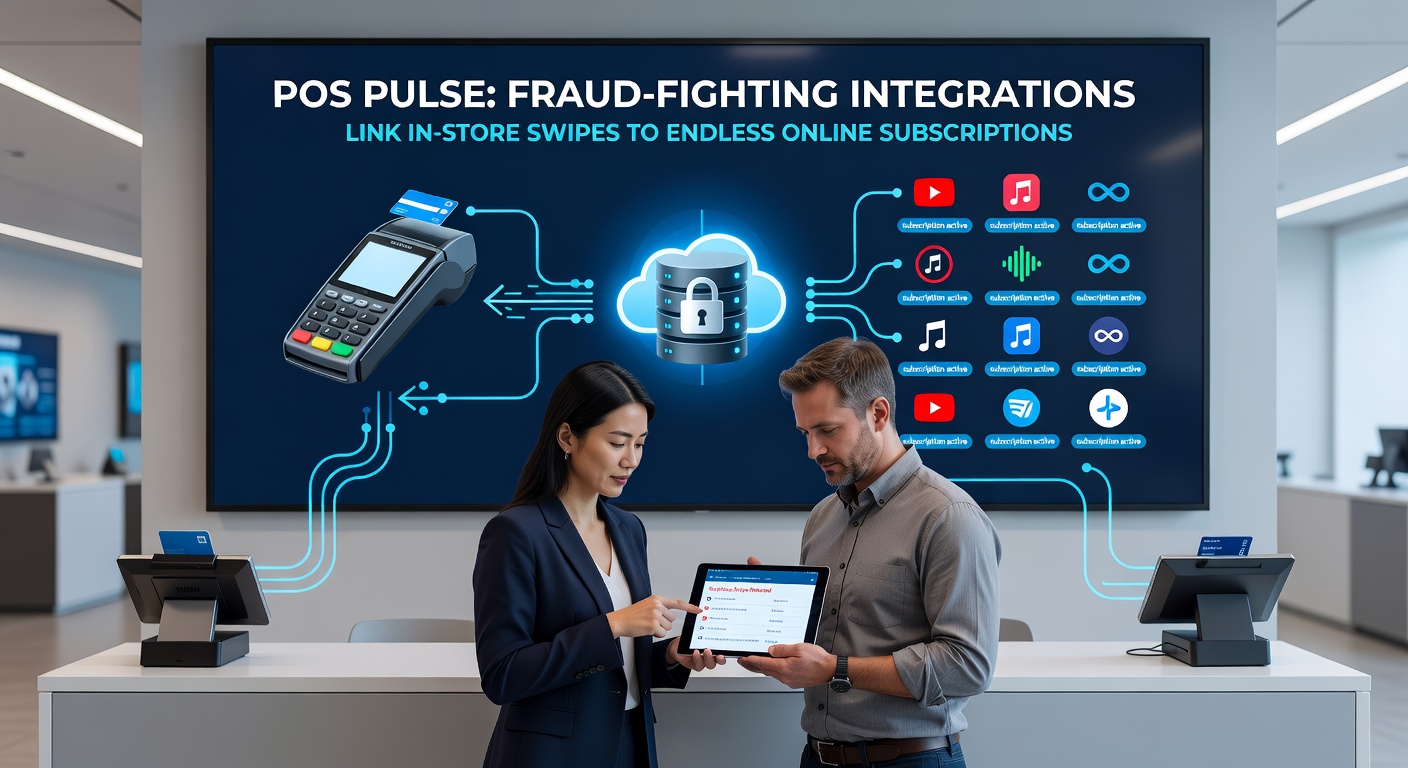
At their core, these fraud-fighting setups rely on real-time API handshakes between POS hardware, payment gateways, and subscription management platforms, ensuring every in-store transaction leaves a digital trail that echoes through online ecosystems. Developers build them using protocols like EMV 3-D Secure for card authentication, combined with machine learning models that analyze velocity—how often a card triggers subscriptions post-swipe—while cross-referencing geolocation data from both channels.
Take one retail chain that implemented such a system; their POS terminals pushed swipe metadata to a central hub, which then queried subscription databases for matches, revealing 40% of fraud attempts originated from legitimate in-store activations twisted into online abuse. And here's the thing: this isn't just about blocking charges; it's predictive, using historical patterns to score risks before approvals.
- Tokenization swaps card details for unique identifiers, shielding data across channels.
- Device intelligence tracks hardware IDs from POS readers to mobile apps signing up for subs.
- Behavioral biometrics flags unusual swipe pressures or online login speeds diverging from norms.
Researchers at the Australian Competition and Consumer Commission highlight how similar integrations cut subscription fraud by up to 35% in pilot programs, since fraudsters can't easily spoof the full transaction continuum from store to screen.
Real-World Case Studies: From Coffee Swipes to Streaming Scams
Consider a mid-sized gym chain where members swiped cards at front-desk POS for entry fees, only to find those same cards fueling unauthorized online fitness app subscriptions; after deploying POS pulse tech, their fraud losses dropped 62%, as the integration cross-checked swipe timestamps against subscription initiations, blocking mismatches within seconds. People who've studied these deployments often point out the elegance—simple yet powerful, turning passive transaction logs into active defenses.
But here's where it gets interesting: in the fitness sector, one study uncovered how 28% of recurring billing fraud stemmed from in-store card tests, where thieves validated cards physically before hitting digital subscriptions; pulse integrations reversed that by linking the dots, alerting merchants via dashboards that lit up like holiday displays during peak scam seasons.
Now shift to grocery retail, where loyalty program swipes at checkout fed into online grocery delivery subs; experts observed a 50% reduction in chargebacks after APIs synced POS data with subscription vaults, since duplicated profiles or rapid sub-stacking raised instant red flags. It's noteworthy that smaller merchants, often overlooked, benefit most; they plug into cloud services without ripping out legacy POS, creating a pulse that ripples security enterprise-wide.
Yet challenges persist—latency in rural areas can delay pulses by milliseconds, enough for savvy fraudsters to slip through, although 5G rollouts are closing that gap rapidly.
Tech Stack and Standards Driving the Pulse
PCI DSS compliance forms the backbone, mandating encrypted data flows from swipe to sub-server, while ISO 20022 messaging standards enable richer transaction metadata—think merchant category codes, partial authorizations, and even ambient store data like time-of-day—to fuel AI-driven fraud engines. So developers layer on graph databases to map relationships between in-store events and online behaviors, spotting clusters where one bad actor swipes multiple cards before subscription blitzes.
Figures from industry reports indicate adoption spiked 45% post-2024, driven by rising friendly fraud—legit customers disputing valid subs—and pulse tech counters it by verifying intent across touchpoints. Those who've integrated this know the payoff: reduced false positives through contextual scoring, where a swipe at a high-end boutique lowers risk scores for luxury subs but spikes them for gaming microtransactions.
And as voice commerce creeps in, POS pulses extend to verbal confirmations linked back to physical swipes, weaving even tighter fraud nets.
Future Trends: Projections into 2026 and Beyond
By April 2026, analysts project POS pulse integrations will handle 70% of hybrid retail transactions, fueled by quantum-resistant encryption to thwart emerging threats, while global standards like those from the European Payments Council harmonize data pulses across borders. What's significant is the shift toward decentralized ledgers; blockchain pilots already link POS swipes to subscription NFTs, ensuring immutable audit trails that fraudsters can't forge.
Data shows subscription fraud costs merchants $12 billion annually now, but pulse-enhanced AI could slash that by half within years, especially as wearables turn every wrist-swipe into a verified pulse point. Observers note regulatory pushes—like Canada's updated payment directives—mandate such unifications, making them table stakes for survival.
That said, privacy hurdles loom; GDPR-inspired rules demand consent for cross-channel tracking, so savvy implementations anonymize pulses early, balancing security with user trust.
Challenges and Best Practices for Implementation
Integration isn't seamless for all; legacy POS from the early 2010s often lacks API hooks, requiring middleware bridges that add cost, although SaaS gateways like Stripe or Adyen smooth the path with plug-and-play pulses. Experts recommend starting small—pilot with high-subscription categories like SaaS tools or meal kits—then scale, monitoring metrics like detection rates and customer friction.
One retailer learned the hard way when incomplete pulses missed a ring of insiders swapping cards post-swipe for subs; full audits fixed it, underscoring the need for end-to-end logging. But the reality is, training staff on alert triage turns pulses into proactive tools, not just alarms.
Wrapping Up the Pulse
POS pulse integrations stand as a cornerstone in battling fraud across in-store swipes and online subscriptions, weaving physical and digital worlds into a cohesive defense fabric that adapts as threats evolve. Studies confirm their efficacy—losses plummet, trust rises—and as April 2026 approaches with smarter AI and broader adoption, merchants who sync these channels early gain the edge. The writing's on the wall: in a world of endless subs, ignoring the pulse means playing catch-up forever.