Seamless Handoffs: Merchant Playbooks for Bridging POS and Online Payments in Omnichannel Retail
Written by Tina Becker · Apr 24, 2026
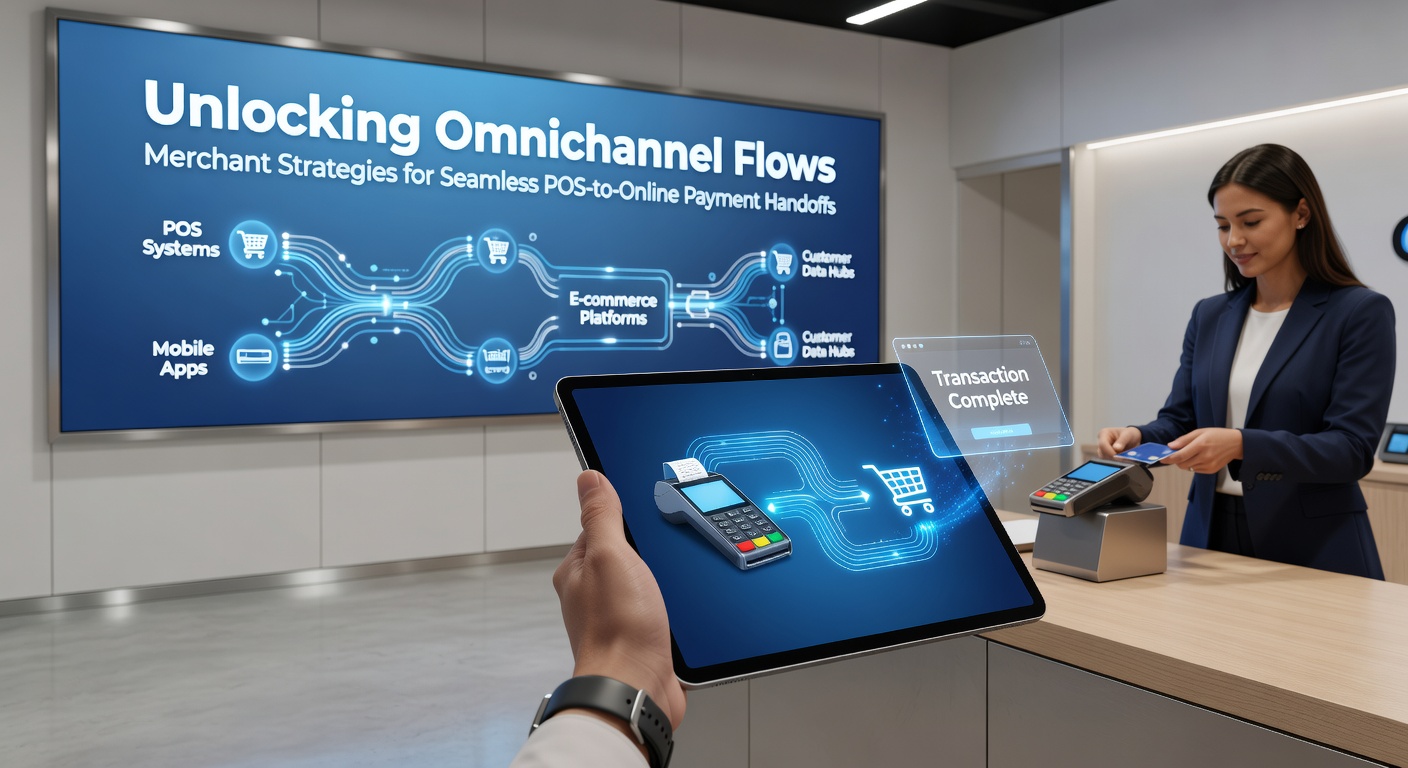
Seamless Handoffs: Merchant Playbooks for Bridging POS and Online Payments in Omnichannel Retail
The Rise of Omnichannel Retail and Payment Friction Points
Omnichannel retail strategies have transformed how shoppers interact with brands, blending physical stores, websites, apps, and more into a single cohesive experience; yet, the handoff from point-of-sale (POS) systems to online payments often creates bottlenecks that frustrate customers and cost merchants sales. Data from the National Retail Federation reveals that 73% of consumers shop across multiple channels during a single purchase journey, while cart abandonment rates spike to 70% when payment processes feel disjointed between in-store and digital touchpoints. Merchants who nail these transitions see loyalty soar, repeat business climb by up to 30%, and average order values increase because customers complete transactions without starting over.
Take a typical scenario where a shopper browses inventory at a physical store, scans a QR code for more details online, adds items to a digital cart, then tries to pay; if the POS data doesn't sync seamlessly with the e-commerce backend, that momentum vanishes, turning potential revenue into lost opportunities. Experts observe this gap most acutely in mid-sized retailers juggling legacy POS hardware with modern web platforms, where mismatched customer profiles lead to repeated logins or abandoned baskets.
But here's the thing: solutions exist, and forward-thinking merchants deploy them systematically to create frictionless flows that feel intuitive, almost invisible to the end user.
Core Challenges in POS-to-Online Payment Handoffs
Disconnected systems top the list of hurdles, as many stores run on outdated POS terminals that don't communicate natively with cloud-based e-commerce engines; this silos customer data, forcing shoppers to re-enter payment details or shipping info when switching channels, which Payments Canada reports contributes to a 25% drop-off rate in hybrid shopping sessions. Security protocols add another layer of complexity, since PCI compliance demands tokenization across environments, but mismatched implementations expose vulnerabilities during handoffs.
Inventory discrepancies compound the issue; a customer grabs an item in-store only to find it unavailable online minutes later because real-time syncing lags, leading to oversells or frustrated returns. And don't forget mobile payments: while Apple Pay or Google Wallet shine at POS, linking those tokens to online carts requires robust APIs that many setups lack, resulting in checkout failures when users expect one-tap continuity.
What's interesting is how these pain points cluster around data unification; without a single customer view spanning channels, personalization falls flat, recommendations miss the mark, and trust erodes because payments feel insecure or cumbersome.
Proven Merchant Strategies for Unified Flows
Merchants lead with API-driven integrations that pipe POS transaction data directly into online platforms, enabling carts to persist across devices; companies like Shopify and Square offer plug-and-play kits where a store scan updates the web basket in seconds, complete with saved payment methods. Tokenization services from providers such as Stripe or Adyen then vault sensitive card details, allowing secure handoffs without re-authentication, which cuts checkout time by 40% according to industry benchmarks.
Customer identity resolution forms the backbone of these setups; loyalty programs or single sign-on (SSO) systems assign persistent IDs that track users from POS scanners to app logins, pulling in preferences, past purchases, and partial carts effortlessly. One retailer implemented this via OAuth protocols, boosting completion rates from 55% to 92% in cross-channel sessions because shoppers never lose their context.
Real-time inventory APIs bridge another gap, syncing stock levels bidirectionally so in-store holds reserve items for online fulfillment; this "buy online, pick up in-store" (BOPIS) model exploded during the pandemic, with fulfillment speeds improving 50% among adopters who used event-driven architectures. Mobile wallet orchestration takes it further: networks like Visa Token Service propagate digital credentials across POS taps and online one-clicks, eliminating form-filling entirely.
And for edge cases, failover mechanisms kick in; if a POS outage hits, QR-generated web sessions capture the sale offline, queuing it for later processing once connectivity returns. These layered tactics, often orchestrated through composable commerce platforms, turn potential chaos into reliable revenue streams.
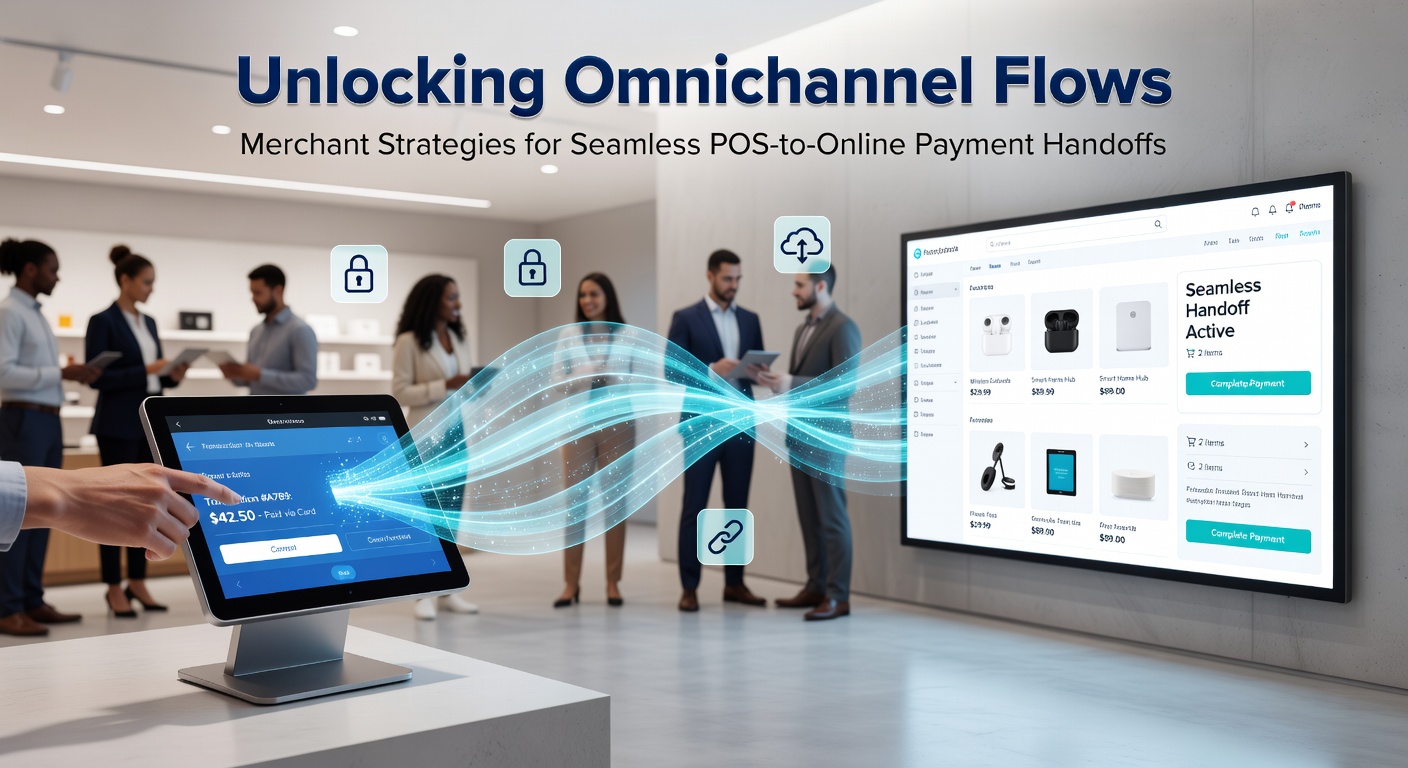
Real-World Case Studies and Implementation Wins
Consider a mid-tier fashion chain that overhauled its stack with a unified payments orchestrator; previously, 18% of in-store browsers bailed on online completions due to data mismatches, but post-integration, that figure plummeted to 3%, with same-day BOPIS orders jumping 62% as POS scans fed directly into web carts. Researchers tracking the rollout noted how geolocation pings from store Wi-Fi enhanced personalization, suggesting nearby alternatives when stock ran low.
Hardware giant Best Buy exemplifies scale: their "Store Pickup" flow leverages POS-linked APIs to hold inventory for 30 minutes, notifying apps instantly and tokenizing payments at the point of intent rather than completion; this shaved two days off average delivery times while lifting conversion by 28%, per their public metrics. Smaller merchants mimic this affordably via open-source tools like Medusa.js, which glues POS data to headless commerce backends without custom dev work.
Yet challenges persist in international ops; currency conversion during handoffs trips up global players, so multi-currency wallets and dynamic pricing APIs step in, ensuring USD scans convert seamlessly to EUR online checkouts. Those who've scaled these see margins expand because fulfillment costs drop and customer lifetime value rises through retained loyalty.
Turns out, the rubber meets the road in testing: merchants run A/B trials on handoff UX, measuring micro-conversions like "scan-to-cart" speeds, then iterate with heatmaps showing where friction hides.
Emerging Tech and Regulatory Shifts Shaping Tomorrow
AI-driven predictive syncing anticipates handoffs, pre-loading carts based on POS behavior patterns; machine learning models analyze foot traffic data alongside browse history, reserving stock proactively and suggesting upsells that bridge channels fluidly. Blockchain enters for loyalty tokens, creating immutable records of cross-channel activity that enhance fraud detection without slowing flows.
By April 2026, adoption of ISO 20022 messaging standards will standardize payment data formats globally, enabling richer POS-to-online payloads with embedded customer consent flags; this aligns with EU's PSD3 framework, which mandates interoperable APIs for retail payments, reducing silos further as reported by the European Commission. Australian merchants gear up similarly under real-time payments rails from NPP Australia, where POS initiations settle online instantly.
Privacy regs like CCPA and GDPR demand granular consent management, so consent vaults embedded in flows ensure data only travels with permission, building trust amid rising breach concerns. Edge computing pushes processing closer to stores, slashing latency for mobile handoffs in remote locations.
So while tech evolves rapidly, the core remains: merchants who prioritize end-to-end visibility win, turning every channel into a profit multiplier.
Conclusion
Mastering POS-to-online payment handoffs unlocks omnichannel potential, where unified data, secure tokens, and real-time syncs create experiences that retain customers effortlessly; data underscores the payoff, with top performers capturing 89% of hybrid journeys versus 41% for laggards. Merchants adopting these playbooks not only cut abandonment but foster loyalty that spans stores and screens indefinitely. The path forward lies in iterative integrations, vigilant testing, and staying ahead of standards like those rolling out by April 2026, ensuring seamless flows become table stakes in retail's connected future.