Synchronizing Retail Terminal Data with Automated Subscription Renewals in Merchant Ledgers
Written by Xander Sullivan · Jul 24, 2026
Synchronizing Retail Terminal Data with Automated Subscription Renewals in Merchant Ledgers
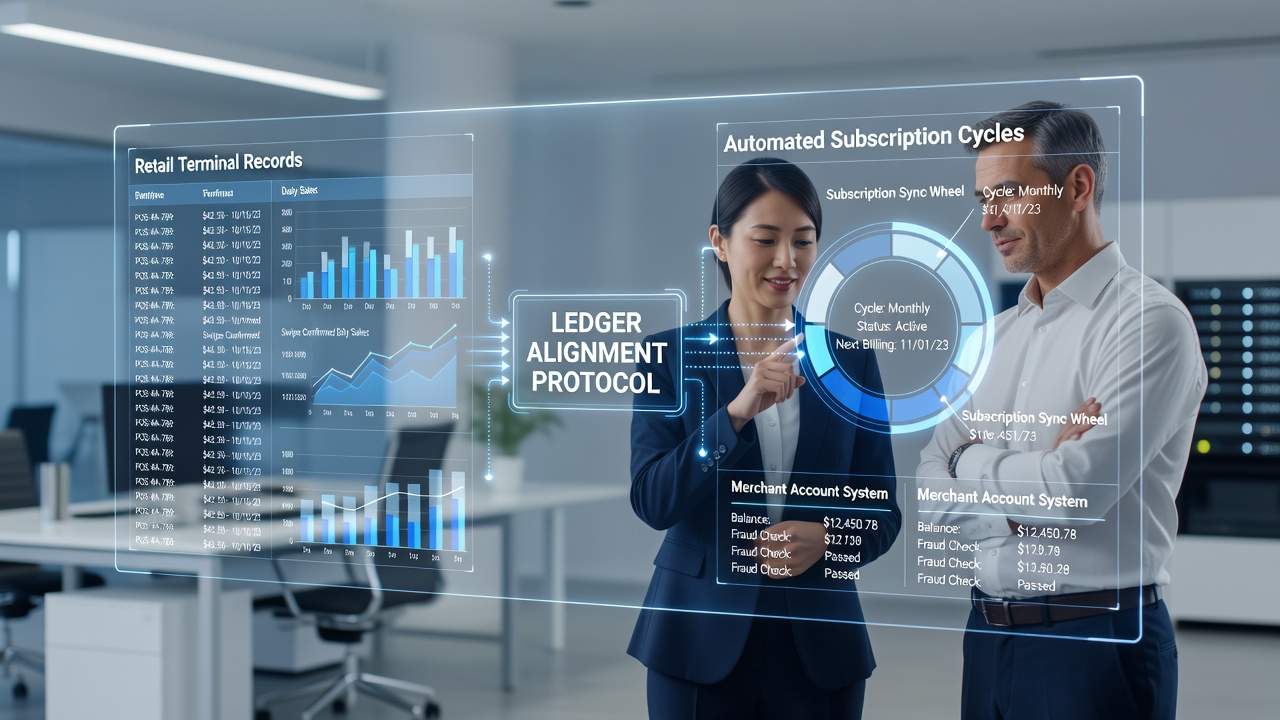
Retail operations rely on precise connections between point-of-sale terminal outputs and recurring billing frameworks that run inside merchant account platforms, and these connections depend on structured ledger alignment techniques that match transaction identifiers, timestamps, and authorization codes across both environments. Observers note that terminal records generated during in-store purchases often contain unique sequence numbers that must correspond exactly to entries in subscription management modules, otherwise discrepancies arise during monthly or quarterly renewal processing. Data from payment networks shows that mismatched records lead to failed renewals when the merchant account system cannot locate corresponding terminal verification details within its reconciliation queues.
Core Matching Protocols in Practice
Merchant account providers implement batch reconciliation routines that pull terminal logs at regular intervals and cross-reference them against open subscription profiles using shared fields such as card token references and merchant location codes, while automated scripts flag any entries where amounts or dates diverge beyond predefined tolerance thresholds. Researchers at payment processing institutions have documented how these protocols incorporate time-zone normalization steps because terminal devices in different regions record transactions in local time, yet subscription cycles operate on coordinated universal time. One study revealed that organizations applying daily ledger alignment reduced renewal failure rates by aligning terminal batch files with cloud-based subscription ledgers before the next billing window opened.
Handling Authorization Trails Across Channels
Authorization sequences originating from retail terminals travel through acquirer gateways before landing in merchant accounts, and alignment methods insert intermediary validation layers that tag each authorization with subscription cycle identifiers so that future renewals reference the original terminal verification without requiring new cardholder interaction. Figures from the European Central Bank indicate that integrated authorization tagging improved settlement accuracy across blended retail channels during 2025, and similar enhancements are scheduled to expand under updated network rules effective July 2026. Those rules require merchants to maintain auditable links between every terminal-generated authorization and its corresponding recurring charge entry for at least eighteen months.
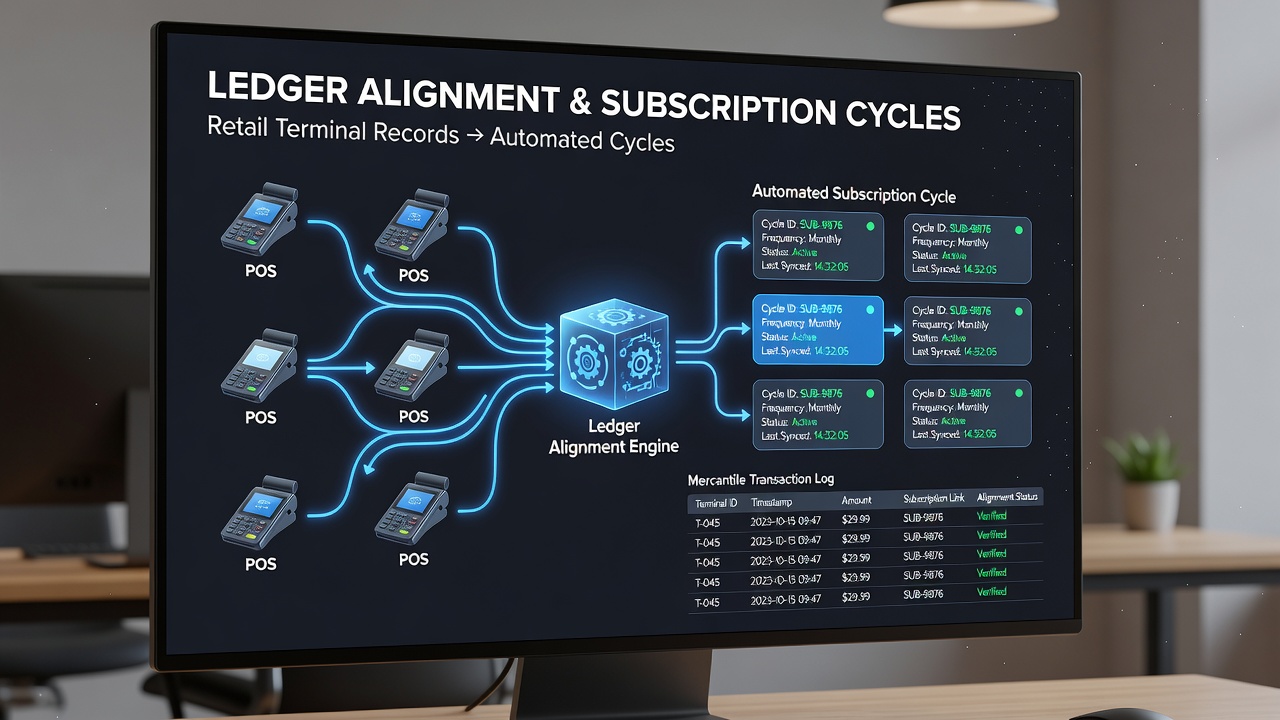
Terminal records frequently include additional metadata such as device serial numbers and employee identifiers that subscription systems do not normally store, yet alignment tools map these elements into extended data fields so that dispute resolution teams can trace a recurring charge back to the original in-store interaction when cardholders raise questions. Experts have observed that mapping occurs through configurable field translation tables maintained by the merchant account provider, allowing different terminal brands to feed into a single subscription platform without custom code for each device type. When translation tables receive regular updates, the risk of orphaned records drops because new terminal firmware versions introduce previously unseen data fields.
Reconciliation Tools and Data Standards
Industry groups promote standardized file formats such as ISO 20022 message structures that carry both terminal details and subscription identifiers in the same transaction payload, enabling merchant systems to perform real-time alignment instead of relying solely on end-of-day batch jobs. The Federal Reserve Bank of New York has published guidance on these message standards, noting that adoption among mid-sized retailers increased steadily through 2025. Retailers that adopted the format reported fewer manual interventions during monthly close because the standardized fields allowed automated matching engines to resolve most discrepancies without human review.
Some merchant platforms supplement automated matching with exception queues that surface records requiring manual review, and staff assigned to these queues apply secondary verification steps such as confirming cardholder presence indicators from the original terminal transaction. This layered approach keeps subscription cycles running on schedule while preserving an audit trail for regulatory examinations. Data indicates that exception rates fall below two percent when terminals transmit complete authorization responses including response codes and approval amounts.
Conclusion
Ledger alignment between retail terminals and subscription systems rests on consistent use of shared identifiers, standardized messaging, and scheduled reconciliation routines that together maintain accurate merchant account records. As network requirements evolve in July 2026, organizations maintaining robust mapping protocols stand positioned to meet expanded audit expectations while sustaining uninterrupted renewal flows across their customer bases.