The Architecture Behind Deposit Profiles Powering Cyclical Charges on Portable Retail Devices
Written by Felix Meier · May 31, 2026
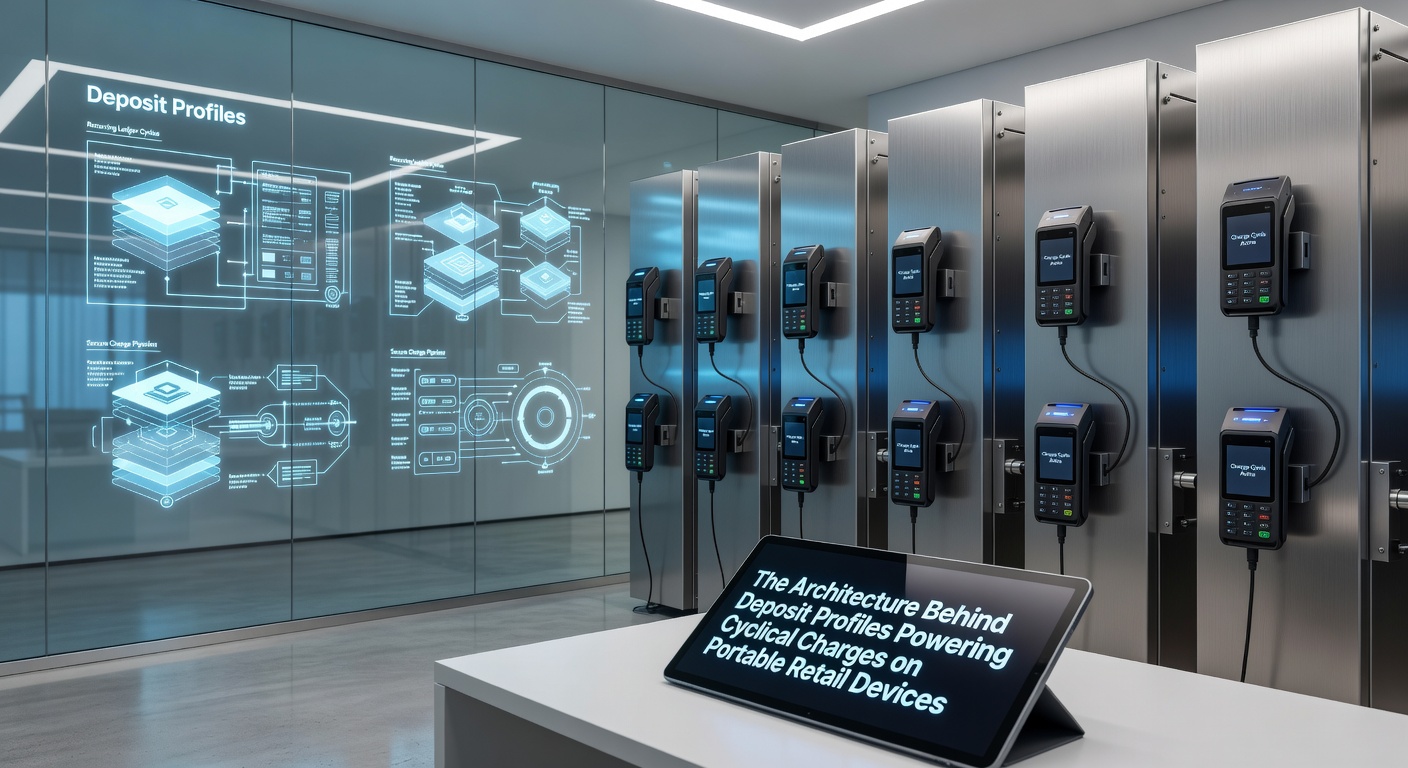
The Architecture Behind Deposit Profiles Powering Cyclical Charges on Portable Retail Devices
Deposit profiles function as structured data repositories within payment ecosystems that support recurring billing cycles on handheld and tablet-based retail terminals, and these profiles store tokenized account details along with authorization parameters that allow devices to initiate charges at predetermined intervals without requiring repeated customer input each time.
Portable retail devices such as mobile point-of-sale units rely on these profiles to synchronize with backend servers, while the profiles themselves contain fields for deposit amounts, renewal frequencies, and risk thresholds that adjust dynamically based on transaction history data pulled from central databases.
Core Components of Deposit Profile Systems
Each deposit profile incorporates multiple layers including a customer identifier segment, a funds reservation module, and an event trigger mechanism that activates when billing cycles align with device connectivity status, and this modular design permits portable units to operate offline for limited periods before syncing updates upon network reconnection.
Developers configure the profiles through standardized schemas that define data fields for cyclical parameters, whereas security protocols embed encryption keys directly into the profile structure to protect sensitive elements during transmission between the device and processing gateways.
- Tokenized payment credentials that replace raw card data
- Balance hold mechanisms that reserve funds for upcoming cycles
- Event logging components that record each charge attempt
Integration Pathways with Handheld Retail Hardware
Portable devices interface with deposit profiles via lightweight software agents that query profile status before executing a charge, and these agents communicate over secure channels that validate device identity against registered merchant accounts while pulling the next scheduled amount from the stored parameters.
Hardware features such as secure element chips on many retail tablets enhance this process by isolating profile data from the main operating system, which reduces exposure during local storage on the device itself.

Observers note that as of May 2026 certain hardware manufacturers have begun embedding support for enhanced profile versioning that allows seamless migration of recurring charge settings across device upgrades without manual reconfiguration.
Data Flow and Synchronization Mechanisms
Information travels from the deposit profile repository to the portable device through encrypted API calls that occur at set intervals or upon user initiation, while the device returns confirmation packets that update the profile status on the server side to reflect completed charges or failed attempts.
This bidirectional flow incorporates checksum validations at each step, and researchers have documented how such checks prevent desynchronization issues that could otherwise lead to duplicate or missed cyclical billings in high-volume retail environments.
According to documentation from the Federal Reserve, standardized messaging formats help maintain consistency across different device manufacturers and profile management platforms.
Security Frameworks Supporting Profile Operations
Encryption standards applied to deposit profiles include end-to-end protections that cover both stored data and transit packets, and access controls limit which applications on the portable device can read or modify profile contents during active sessions.
Compliance requirements from bodies such as the European Central Bank influence how profile architectures incorporate audit trails that log every interaction between the device and the profile server.
Those who manage these systems often implement multi-factor verification steps before allowing profile updates, and this adds another layer that portable devices must navigate when refreshing cyclical charge parameters in the field.
Conclusion
The architecture supporting deposit profiles continues to evolve alongside advancements in portable hardware capabilities, and these systems enable reliable cyclical charges by combining secure data structures with efficient synchronization methods that keep retail operations running smoothly across varied network conditions.