The Pulse of Portables: Merchant Account Structures Fueling Fraud-Resistant Subscription Cycles in Mobile Retail Networks
Written by Tina Becker · Aug 18, 2026
The Pulse of Portables: Merchant Account Structures Fueling Fraud-Resistant Subscription Cycles in Mobile Retail Networks
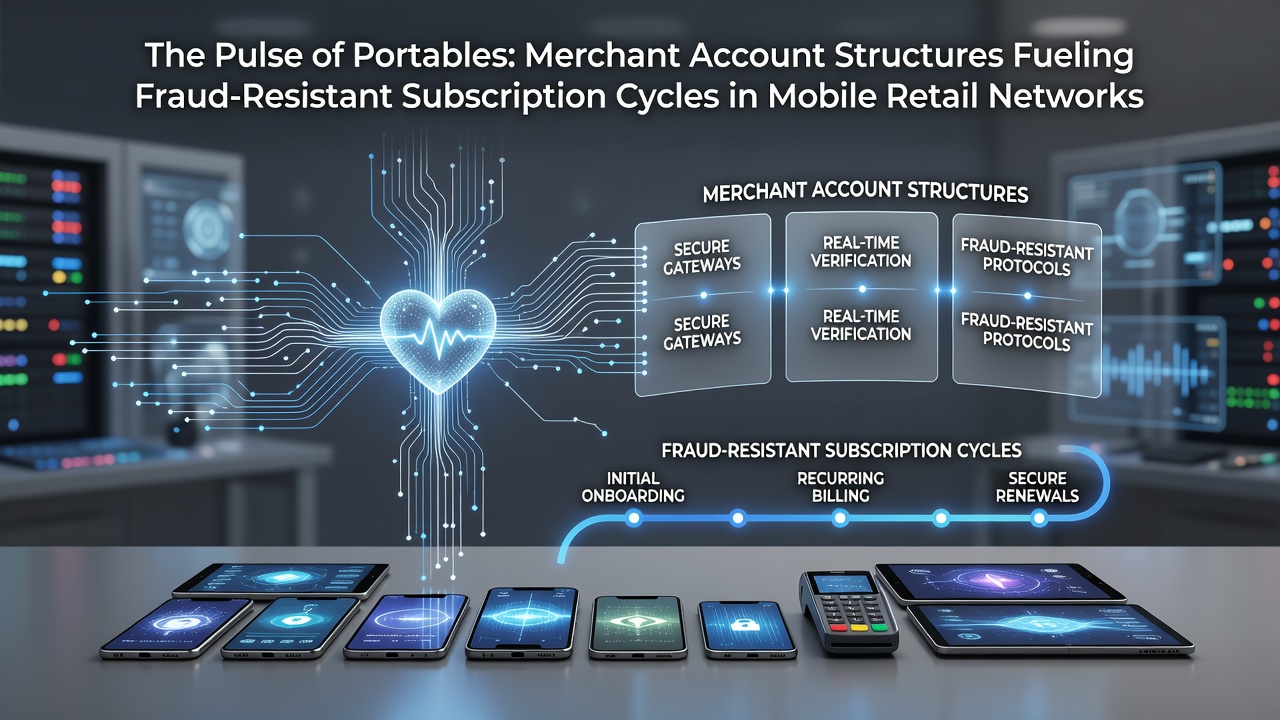
Merchant account structures form the backbone of secure recurring billing in mobile retail environments where portable devices handle everything from in-app purchases to continuous service renewals. These accounts undergo rigorous underwriting processes that assess business history, transaction volume projections, and risk profiles before activation, which helps establish parameters that limit exposure to fraudulent activity from the outset. Data from payment networks show that properly tiered merchant accounts incorporate rolling reserves and holdback mechanisms that stabilize cash flow while curbing chargeback rates in subscription models.
Underwriting Foundations and Risk Allocation
Underwriting teams evaluate merchant applications using standardized criteria that include credit checks, business verification, and projected charge volumes, and these evaluations determine the specific account type assigned to each mobile retailer. High-volume subscription operations often receive accounts with enhanced monitoring layers that track velocity patterns across multiple portable terminals simultaneously. Researchers at the Bank for International Settlements have documented how such layered structures reduce unauthorized recurring charges by aligning approval limits with historical performance data.
Reserve accounts sit at the center of these setups because they withhold a percentage of daily settlements to cover potential disputes, and this practice proves especially effective when subscription cycles span several months. Mobile retail networks benefit when these reserves adjust dynamically based on real-time fraud signals rather than fixed percentages, allowing faster fund releases for low-risk merchants while maintaining buffers against anomalies. In August 2026, industry reports highlighted a measurable drop in subscription-related disputes following wider adoption of adaptive reserve protocols.
Integration with Mobile Device Ecosystems
Merchant accounts connect directly to mobile point-of-sale hardware through secure gateways that enforce device-level authentication before any recurring authorization request reaches the card networks. This linkage ensures that each subscription renewal attempt carries identifiers tied to both the account structure and the specific portable terminal, which creates traceable pathways that investigators can follow during dispute resolution. Observers note that accounts configured with geofencing and device fingerprinting show lower rates of account takeover attempts in retail settings that rely on continuous billing.
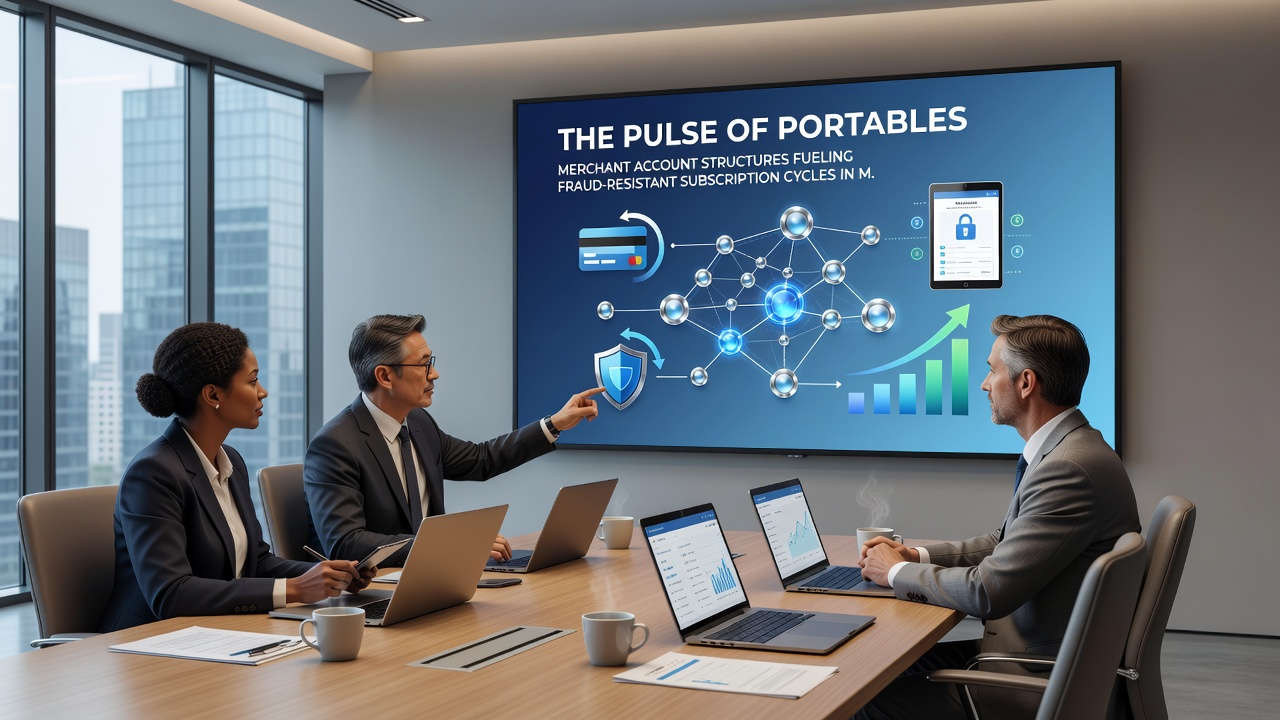
Tokenization services embedded within these account frameworks replace sensitive card details with unique tokens that expire or rotate according to predefined schedules, and this approach prevents stored credentials from being reused across unauthorized channels. Subscription platforms operating on portable devices therefore maintain continuity of service without retaining full payment information locally. Studies conducted by the European Central Bank indicate that tokenized merchant accounts experience fewer data breach impacts compared with legacy storage methods in recurring payment environments.
Monitoring Protocols and Cycle Stability
Real-time monitoring dashboards attached to merchant accounts flag unusual patterns such as sudden spikes in international subscription sign-ups or mismatched billing addresses, and these alerts trigger temporary holds that allow manual review before funds settle. Mobile retail operators gain stability when their accounts include automated retry logic that spaces out failed renewal attempts to avoid triggering fraud filters at the issuer level. Figures released by payment processors reveal that accounts employing these spacing rules maintain higher approval rates across multi-month subscription cycles.
Chargeback representment processes form another structural element because well-documented merchant accounts supply evidence packages quickly enough to win reversals in subscription disputes. Portable device logs, customer communication records, and authorization timestamps combine to strengthen representment cases, which in turn protects overall account health. Those managing large mobile retail fleets often discover that centralized account structures simplify compliance reporting across regions while preserving localized fraud controls.
Conclusion
Merchant account structures continue to evolve in response to the demands of mobile retail subscription models, adn their fraud-resistant features rest on careful underwriting, dynamic reserves, tokenization, and integrated monitoring. These elements work together to support reliable recurring cycles while limiting losses from unauthorized activity. Payment data collected through 2026 confirm that retailers who align their account configurations with device-specific security protocols achieve more consistent renewal success rates across portable networks.